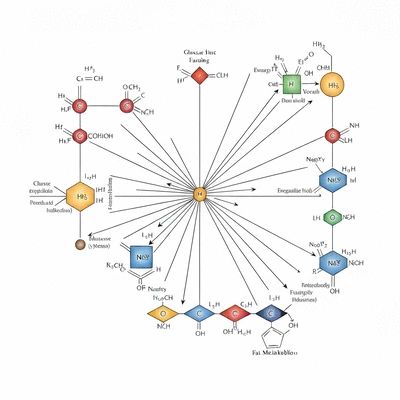
Key Metabolic Shifts
- ✓Fat Oxidation Promotion
- ✓Enhanced Metabolic Flexibility
- ✓Hormone Balance (Appetite)
Have you ever considered how a simple change in your eating habits could lead to significant improvements in your health? Intermittent fasting is not just a dietary trend; it’s a scientifically backed method that transforms how your body processes energy and improves overall metabolic health. Let's explore the essential insights from the latest research on intermittent fasting.
Intermittent fasting fundamentally alters how our bodies process energy, shifting from glucose to stored fat. This metabolic switch promotes fat oxidation and enhances metabolic flexibility, balancing hormones that regulate appetite and supporting the body's repair processes.
Understanding how intermittent fasting impacts our metabolism is more than just a trendy topic; it’s a crucial step in achieving sustainable weight loss. Fasting is not merely a method for reducing calorie intake; it fundamentally alters how our bodies process energy. By understanding these changes, we can make informed choices about our health and weight management strategies.
At Fasted Intelligence, we emphasize the importance of evidence-based practices in fasting. When we fast, our body shifts from using glucose as its primary fuel source to utilizing stored fat. This metabolic switch is essential for effective fat regulation, and it’s backed by a wealth of scientific research. Now, let’s explore what the evidence reveals!
To grasp how fasting can affect us, we should dive deeper into specific studies that highlight not just weight loss, but the broader benefits on metabolic health. This is where clinical trials come into play!
Clinical trials have consistently shown that intermittent fasting leads to significant fat loss. In fact, many studies report positive outcomes in terms of reducing visceral fat, which is crucial for overall health. This type of fat is linked to numerous metabolic diseases, making its reduction a key target for anyone aiming to improve their health. A 2024 review published in PMC (PubMed Central) highlighted the efficacy of intermittent fasting in reducing visceral fat and improving metabolic markers.
At Fasted Intelligence, we believe understanding these results can empower you on your fasting journey. By recognizing how effective intermittent fasting can be, we can approach our health with renewed motivation!
Many meta-analyses have compiled data from randomized controlled trials to provide a clearer picture of intermittent fasting's effects. These comprehensive reviews often conclude that fasting is associated with:
Such findings validate the approaches we advocate at Fasted Intelligence, showing that incorporating fasting can lead to significant, lasting changes in body composition and metabolic health. Next, let’s explore the biological mechanisms that make these changes possible!
Fasting isn’t just a straightforward process; it triggers a variety of biological mechanisms that directly influence our metabolism. Understanding these mechanisms helps us appreciate the profound impact fasting can have on our health.
In my experience as a health advocate, I’ve seen firsthand how these biological changes can inspire individuals to commit to sustainable practices. Let’s dive into some key hormonal changes!
During fasting, our insulin levels decrease while growth hormone levels rise. This hormonal shift plays a significant role in fat loss and muscle preservation. Lower insulin levels signal the body to break down fat for energy, while elevated growth hormone supports muscle maintenance and encourages fat burning.
These changes underscore the importance of understanding your body’s responses to fasting. By leveraging these hormonal benefits, you can optimize your fasting experience!
Improving insulin sensitivity is crucial for anyone interested in metabolic health. Research shows that intermittent fasting can enhance how effectively the body responds to insulin, which is vital for controlling blood sugar levels. This not only aids in weight management but also reduces the risk of developing insulin resistance and type 2 diabetes.
At Fasted Intelligence, I encourage everyone to see fasting as a powerful tool. By implementing fasting protocols tailored to your lifestyle, you can harness these benefits effectively!
To maximize the benefits of intermittent fasting, consider incorporating a variety of nutrient-dense foods during your eating windows. Focus on whole grains, lean proteins, healthy fats, and plenty of fruits and vegetables. This approach not only enhances your overall health but also supports sustained energy levels and satiety, making your fasting experience more effective and enjoyable!
As we explore the impact of intermittent fasting, it becomes clear that this approach can significantly influence our metabolism and body composition. Through various mechanisms, fasting encourages the body to become more efficient at utilizing fat for energy, ultimately supporting sustainable weight loss. Understanding these effects can empower you to make informed decisions about your health journey.
In summary, the key impacts of intermittent fasting on metabolism include:
These changes are backed by numerous studies, demonstrating that intermittent fasting can be a powerful tool for those looking to improve their metabolic health. It's all about finding the right balance that works for you!
Deciding whether intermittent fasting is suitable for your lifestyle and health goals is crucial. It's essential to personalize your approach based on your unique health profile. At Fasted Intelligence, we advocate for individualized strategies rather than a one-size-fits-all mentality.
Here are some considerations to help determine if intermittent fasting aligns with your needs:
By evaluating these factors, you can tailor your fasting regimen to fit seamlessly into your daily routine, enhancing your chances of success.
Embracing intermittent fasting is not just about what you eat; it's also about fostering sustainable practices that promote overall health. Here are some tips for maintaining a healthy lifestyle while fasting:
These lifestyle adjustments can significantly impact your fasting experience and long-term success. Remember, the goal is to create a sustainable approach that fits your life—rather than making drastic changes that may feel overwhelming!
The gut microbiome plays a pivotal role in our overall health and can be influenced by fasting. Research suggests that intermittent fasting may positively affect the diversity and composition of gut bacteria, supporting metabolic health and enhancing digestive function. As a health and wellness advocate, I've seen firsthand how this connection can benefit individuals. Embracing fasting can lead to improvements not just in weight management but also in gut health and immune function.
When considering the broader implications of intermittent fasting, it's essential to recognize its potential benefits for your gut microbiome. Enhanced gut health can lead to:
Incorporating fasting into your lifestyle might just be the key to unlocking these health benefits. As you embark on this journey, listen to your body, stay informed, and adapt your fasting strategy to suit your unique needs. Together, we can navigate the path toward improved health and well-being!
Here is a quick recap of the important points discussed in the article:
Jordan Sinclair is a passionate health and wellness advocate dedicated to evidence-based practices in weight management and fasting. With a solid background in nutritional science and health coaching, Jordan excels at translating complex research into clear, actionable insights. Through Fasted Intelligence, he empowers adults on their journey toward sustainable weight loss and improved metabolic health, providing research-backed guidance that cuts through the noise and focuses on what truly works.