Fasting and mTOR Inhibition Benefits

Fasting isn't just a trendy health fad; it’s a powerful tool for enhancing metabolic health. By understanding the intricate role of mTOR, you can take charge of your wellness journey and make informed decisions about your fasting practices.
What You Will Learn
- mTOR is essential for regulating cellular metabolism and is linked to weight management and longevity.
- Fasting can improve insulin sensitivity and glucose metabolism by inhibiting mTORC1.
- The mTOR pathway consists of two complexes—mTORC1 and mTORC2—each with distinct roles in metabolism.
- Regular fasting can enhance cellular health by promoting autophagy and reducing inflammation.
The Dual Nature of mTOR: Benefits and Risks of Fasting
Delve into the balanced effects of mTOR inhibition through fasting, highlighting its advantages for metabolic health and potential challenges. For a deeper dive into how fasting impacts your body's systems, explore intermittent fasting and metabolism insights.
Benefits of Fasting (mTOR Inhibition)
- ✓ Enhanced Insulin Sensitivity
- ✓ Improved Weight Management
- ✓ Promotes Cellular Repair (Autophagy)
- ✓ Decreased Inflammation
Potential Risks & Considerations
- ⚠ Potential Muscle Loss (if not managed)
- ⚠ Hypoglycemia (for certain individuals)
- ⚠ Not a One-Size-Fits-All Solution
- ⚠ Requires Informed Strategies
Optimal fasting requires balancing mTOR inhibition with strategic nutrient intake for sustainable health outcomes.
Understanding mTOR and Its Role in Metabolism
When we talk about metabolism, we often hear about a protein called mTOR. But what exactly is mTOR, and why should we care? At Fasted Intelligence, I like to think of mTOR as a crucial player in our body's metabolic game plan. Understanding its role can help you make informed decisions about your health, especially when it comes to fasting and weight management.
In simple terms, mTOR stands for mechanistic Target of Rapamycin. It's a protein kinase that acts as a central regulator of cellular metabolism, growth, and proliferation. This means that it helps control how our body uses nutrients and manages energy. By grasping how mTOR influences our health, you can start to appreciate why its regulation is tied to weight loss, metabolic health, and even longevity!
What is mTOR and Why It Matters for Health?
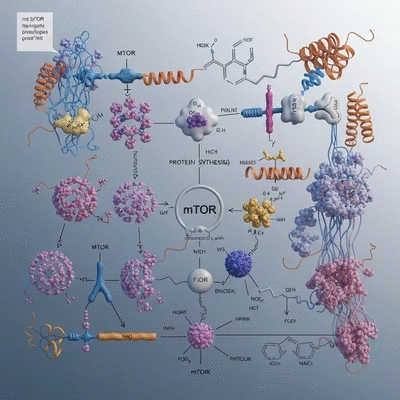
To put it plainly, mTOR is like a conductor of an orchestra, ensuring that all parts of our metabolic processes work together harmoniously. When mTOR is active, it promotes processes like protein synthesis and cell growth. However, when it’s overactive, it can lead to issues such as obesity, insulin resistance, and various metabolic disorders. By understanding mTOR, we can unlock tools for better health!
- Energy Regulation: mTOR regulates energy balance by responding to nutrient availability.
- Cell Growth: It promotes cell growth and proliferation, which is essential for recovery and regeneration.
- Hormonal Influence: mTOR plays a role in hormone regulation, affecting insulin and other key metabolic hormones.
This understanding is powerful, especially for those of us interested in evidence-based health practices. It opens the door to using strategies like intermittent fasting to manage mTOR levels effectively. You can learn more about how intermittent fasting impacts insulin sensitivity.
The mTOR Pathway: Functions and Mechanisms
The mTOR pathway consists of two distinct complexes: mTORC1 and mTORC2. Each has unique functions and impacts on our metabolism.
- mTORC1: This complex is primarily responsible for sensing nutrient availability and energy levels. It stimulates growth and anabolic processes when nutrients are plentiful.
- mTORC2: This one is more involved in regulating cell survival and metabolism but is less directly linked to nutrient sensing.
When we engage in fasting, we can influence these pathways significantly. By temporarily inhibiting mTORC1, fasting can lead to beneficial metabolic effects, including improved insulin sensitivity and enhanced fat metabolism.
How mTOR Influences Insulin Sensitivity and Glucose Metabolism
Insulin sensitivity is essential for metabolic health—it determines how well our bodies can respond to insulin and manage glucose levels. Overactivation of mTORC1 can lead to insulin resistance, making it harder for your body to use sugar effectively. This is where fasting comes into play.
- Improves Sensitivity: Fasting has been shown to improve insulin sensitivity, helping the body utilize glucose more effectively.
- Regulates Hormones: By inhibiting mTORC1, fasting can enhance the hormonal signals that regulate blood sugar.
- Reduces Inflammation: Fasting may decrease inflammation, which plays a significant role in insulin resistance.
As someone who is passionate about health and wellness, I’ve seen firsthand how understanding mTOR and its role in metabolism can lead to better health outcomes. With this knowledge, you can take a proactive approach to your fasting journey, ultimately contributing to your goals for sustainable weight loss and improved metabolic health. Let’s dive deeper into the fascinating connection between fasting and mTOR inhibition!
Pro Tip
To maximize the benefits of fasting and its impact on mTOR regulation, consider incorporating a variety of fasting protocols. Research suggests that alternating between longer fasts and shorter, daily fasting windows can optimize metabolic flexibility and enhance insulin sensitivity. Experiment with different schedules to find what best supports your body's unique rhythm!
Frequently Asked Questions About mTOR and Fasting
Q1: What is mTOR and why is it important for metabolic health?
A1: mTOR (mechanistic Target of Rapamycin) is a protein kinase that acts as a central regulator of cellular metabolism, growth, and proliferation. It's crucial for metabolic health because it controls how our body uses nutrients and manages energy, influencing weight management, insulin sensitivity, and longevity.
Q2: How does fasting influence mTOR?
A2: Fasting primarily influences mTOR by temporarily inhibiting mTORC1, one of the two distinct mTOR complexes. This inhibition leads to beneficial metabolic effects, such as improved insulin sensitivity, enhanced fat metabolism, and the promotion of cellular repair processes like autophagy.
Q3: What are the main benefits of mTOR inhibition through fasting?
A3: The main benefits include enhanced insulin sensitivity, improved weight management (especially fat loss while preserving lean muscle), promotion of cellular repair through autophagy, and decreased inflammation. These benefits contribute to overall better metabolic health.
Q4: Are there any risks associated with mTOR inhibition by fasting?
A4: Yes, potential risks include muscle loss (if not managed with proper nutrition and exercise), hypoglycemia for certain individuals, and the fact that fasting is not a one-size-fits-all solution. It requires informed strategies and, for some, consultation with a healthcare professional.
Q5: Who should consider fasting for metabolic reset?
A5: Individuals with insulin resistance, those seeking weight loss, people with chronic health issues (after consulting a healthcare provider), and health-conscious adults looking to enhance overall health and longevity might benefit from fasting. It's crucial to listen to your body and seek professional advice if unsure.
Summary of the Benefits and Risks of mTOR Inhibition by Fasting
Understanding the balance of benefits and risks associated with mTOR inhibition through fasting is vital for anyone considering this approach to enhance metabolic health. Fasting can lead to significant advantages, including improved insulin sensitivity, better glucose control, and a reduction in visceral fat. However, it's essential to recognize that fasting isn't a one-size-fits-all solution, and it may come with its own set of challenges.
When we delve into the implications of mTOR inhibition via fasting, we find that it promotes essential processes like autophagy, which supports cellular repair and regeneration. Yet, potential risks such as muscle loss and hypoglycemia can arise, especially for individuals who may not approach fasting with the right knowledge or strategies. It's all about finding that sweet spot!
Key Takeaways on Fasting and Metabolic Health
Here are some critical insights on how fasting affects metabolic health:
- Enhanced Insulin Sensitivity: Regular fasting can improve how your body responds to insulin, helping to manage blood sugar levels effectively.
- Weight Management: By inhibiting mTOR, fasting can aid in fat loss while supporting lean muscle mass when done correctly.
- Cellular Health: Fasting promotes autophagy, allowing your body to cleanse itself of damaged cells and regenerate new ones.
- Decreased Inflammation: Research indicates that fasting can help lower inflammation markers in the body, contributing to overall health.
These takeaways illustrate why so many health enthusiasts, including myself at Fasted Intelligence, advocate for informed fasting practices.
Who Should Consider Fasting for Metabolic Reset?

Fasting isn't just for fitness buffs or health gurus! Here’s a quick rundown of who might benefit most:
- Individuals with Insulin Resistance: If you're struggling with insulin sensitivity, fasting may provide a metabolic reset.
- Those Seeking to Lose Weight: Fasting can be an effective method for achieving sustainable weight loss when combined with a balanced diet.
- People with Chronic Health Issues: Individuals managing conditions like type 2 diabetes or metabolic syndrome should consult with a healthcare provider about fasting.
- Health-Conscious Adults: Anyone looking to enhance their overall health and longevity might find fasting beneficial.
It's crucial to listen to your body and consult with a healthcare professional if you're unsure about starting a fasting regimen.
The Role of Fasting in Managing Chronic Diseases and Metabolic Syndrome
Fasting plays a transformative role in managing chronic diseases and metabolic syndrome, factors that increasingly affect many adults today. Recent studies have shown that mTOR inhibition through fasting can reduce the risk factors associated with these conditions.
Incorporating fasting into your lifestyle can:
- Lower Blood Pressure: Regular fasting has been linked to improved cardiovascular health.
- Reduce Cholesterol Levels: It can positively impact lipid profiles, decreasing bad cholesterol (LDL) while increasing good cholesterol (HDL).
- Support Weight Loss: Fasting helps in breaking down visceral fat, which is a significant contributor to chronic diseases.
As a passionate advocate for sustainable health practices, I believe that understanding these connections can empower individuals to take charge of their wellness journey. For more detailed information on managing specific conditions, consider exploring fasting and type 2 diabetes insights.
Next Steps for Implementing Fasting in Your Life
Practical Tips for Starting Your Fasting Journey
Ready to embark on your fasting journey? Here are some practical tips to get you started:
- Start Slow: If you’re new to fasting, begin with shorter fasting windows and gradually increase the duration.
- Stay Hydrated: Drink plenty of water during fasting periods to help curb hunger and support metabolic processes.
- Plan Your Meals: Focus on whole, nutrient-dense foods when you break your fast to maximize health benefits.
- Listen to Your Body: Pay attention to how you feel during fasting, and adjust as necessary.
These steps can pave the way for a successful fasting experience, making it both manageable and enjoyable!
Resources for Further Reading and Support
Expanding your knowledge about fasting is essential for making informed decisions. Here are some resources I recommend:
- Books: “The Complete Guide to Fasting” by Dr. Jason Fung offers a comprehensive look at fasting.
- Online Communities: Join groups focused on fasting for support, shared experiences, and motivation.
- Webinars and Workshops: Look for local or online events that provide expert insights on fasting protocols.
- Fasted Intelligence Blog: Keep up with our articles for the latest research and tips on fasting and metabolic health.
With these resources, you’ll be well-equipped to navigate your fasting journey. Remember, at Fasted Intelligence, we’re here to support you every step of the way! If you want to learn more about achieving your weight loss goals, read our article on intermittent fasting weight loss timeline.
Recap of Key Points
Here is a quick recap of the important points discussed in the article:
- Understanding mTOR: mTOR is a key regulator of metabolism, influencing energy balance, cell growth, and hormone regulation.
- Impact of Fasting: Fasting can effectively inhibit mTORC1, leading to improved insulin sensitivity and better metabolic health.
- Health Benefits: Regular fasting promotes autophagy, enhances insulin sensitivity, and reduces inflammation, contributing to overall health.
- Who Should Consider Fasting: Individuals with insulin resistance, those seeking weight loss, and health-conscious adults may benefit from fasting.
- Practical Tips: Start slow, stay hydrated, and focus on nutrient-dense foods to maximize the benefits of fasting.

Jordan Sinclair: Empowering Your Fasting Journey
Jordan Sinclair is a passionate health and wellness advocate dedicated to evidence-based practices in weight management and fasting. With a solid background in nutritional science and health coaching, Jordan excels at translating complex research into clear, actionable insights. Through Fasted Intelligence, he empowers adults on their journey toward sustainable weight loss and improved metabolic health, providing research-backed guidance that cuts through the noise and focuses on what truly works.
Popular Posts
Micronutrients in Regular Fasting
![Micronutrients in Regular Fasting]() As you embark on your fasting journey, understanding the role of micronutrients can be the key to en
As you embark on your fasting journey, understanding the role of micronutrients can be the key to en
 As you embark on your fasting journey, understanding the role of micronutrients can be the key to en
Collagen and Bone Broth Benefits
![Collagen and Bone Broth Benefits]() Many people often overlook the power of bone broth during fasting, but its nutrient-rich profile can
Many people often overlook the power of bone broth during fasting, but its nutrient-rich profile can
 Many people often overlook the power of bone broth during fasting, but its nutrient-rich profile can
Fasting and mTOR Inhibition Benefits
![Fasting and mTOR Inhibition Benefits]() Fasting isn't just a trendy health fad; it’s a powerful tool for enhancing metabolic health. By un
Fasting isn't just a trendy health fad; it’s a powerful tool for enhancing metabolic health. By un
 Fasting isn't just a trendy health fad; it’s a powerful tool for enhancing metabolic health. By un
Intermittent Fasting: Weight Loss Timeline
![Intermittent Fasting: Weight Loss Timeline]() Intermittent fasting isn't just another diet fad; it’s a transformative approach to reshaping how
Intermittent fasting isn't just another diet fad; it’s a transformative approach to reshaping how
 Intermittent fasting isn't just another diet fad; it’s a transformative approach to reshaping how