Expectation:
Initial Weight Loss
- ✓ Quick drop in 1st week
- ✓ Due to water loss
Intermittent fasting isn't just another diet fad; it’s a transformative approach to reshaping how you think about food and health. With a structured plan, you can unlock a range of benefits beyond weight loss. Are you ready to learn how to make this lifestyle work for you?
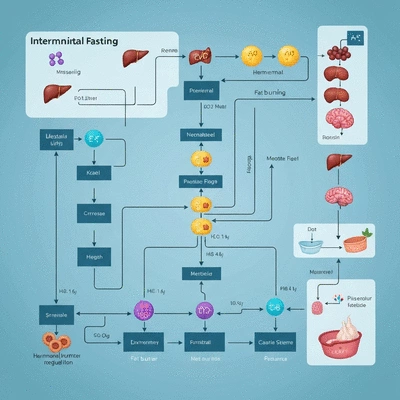
This visual outlines key aspects of intermittent fasting, from initial expectations to the metabolic realities and psychological factors involved in a successful journey. For a deeper dive into how your body processes nutrients during different eating patterns, explore the fasting or counting weight loss debate.
Intermittent fasting is more than just a trend; it’s a powerful strategy for sustainable weight loss and improved health. But what exactly is it? To put it simply, intermittent fasting involves alternating periods of eating and fasting. This approach allows your body to enter a state where it can effectively burn fat for energy, making it a popular choice among many looking for weight management solutions.
As someone deeply invested in health and wellness through my work at Fasted Intelligence, I've seen how this method helps people reclaim their relationship with food. Instead of focusing on what to eat, intermittent fasting shifts the focus to when to eat, potentially simplifying your dietary choices while maximizing benefits!
At its core, intermittent fasting is not about restricting calories but rather about timing your meals. There are various protocols available, such as the 16:8 method, where you fast for 16 hours and eat during an 8-hour window. Other popular methods include the 5:2 diet, where you eat normally for five days of the week and reduce calories on two non-consecutive days. To further understand the role of hormones in these processes, consider reading about intermittent fasting and insulin sensitivity.
Each method has its unique appeal and may work differently for varying lifestyles. By understanding these options, you can choose what suits your routine best, making intermittent fasting a more manageable lifestyle choice!
Intermittent fasting promotes weight loss primarily by creating a caloric deficit. When you restrict your eating window, it often leads to reduced overall calorie intake. Moreover, fasting triggers several metabolic changes, such as enhanced hormone function that helps facilitate fat burning. For instance, insulin levels drop, which allows the body to tap into fat stores for energy.
This unique combination of hormonal changes makes intermittent fasting a highly effective approach for many. As I’ve seen in my practice, the results often extend beyond just weight loss to improved energy and mental clarity!
Your metabolism plays a crucial role in how effectively you can lose weight with intermittent fasting. Understanding your metabolic rate can help you tailor your fasting approach. Factors like age, gender, muscle mass, and activity level all influence your metabolism, and adjusting your fasting schedule accordingly can enhance results.
Finding the right balance is essential. For example, younger individuals with higher muscle mass might benefit from longer fasting periods, while those who are older may find shorter fasts more sustainable. Whatever your situation, understanding your metabolism is key to unlocking the full potential of intermittent fasting!
To enhance your success with intermittent fasting, consider tracking your progress through a journal. Documenting your fasting periods, meals, and how you feel can provide valuable insights into what works best for you. It allows you to identify patterns, adjust your approach, and celebrate small victories along the way!
Intermittent fasting is an eating pattern that cycles between periods of eating and fasting. It focuses on when you eat rather than what you eat, helping your body to utilize fat for energy more effectively.
It promotes weight loss by creating a caloric deficit and triggering metabolic changes. Fasting lowers insulin levels, which encourages the body to burn stored fat for energy, and can also increase norepinephrine, further boosting fat burning.
Popular methods include the 16:8 method (fasting for 16 hours and eating during an 8-hour window), the 5:2 diet (normal eating for five days and reduced calories on two non-consecutive days), and Alternate-Day Fasting (alternating between fasting and eating days).
Your metabolic rate, influenced by factors like age, gender, muscle mass, and activity level, determines how efficiently your body burns calories. Understanding your metabolism helps you tailor your fasting schedule for optimal results, as different individuals may thrive on different fasting durations.
Expect initial rapid weight loss due to water, followed by more gradual fat loss after the first few weeks. Weight fluctuations and plateaus are normal. It's important to focus on long-term health benefits and not just the scale, as improved energy and metabolic health are significant indicators of progress.
As you reflect on your intermittent fasting journey, it’s essential to set realistic expectations for weight loss. Many individuals expect immediate results, but sustainable weight management is a gradual process. It's common to experience fluctuations in weight, especially in the initial stages. Understanding this can prevent frustration and keep you motivated!
Remember, weight loss isn't a straight line; it's filled with ups and downs. Most importantly, focus on the positive changes that come with fasting, such as improved energy levels and better digestion. These are vital indicators of progress, even if the scale isn't moving as quickly as you'd like!
When embarking on your fasting journey, it's crucial to acknowledge that everyone's body responds differently. Realistic expectations can make a significant difference in your motivation and commitment. Here are a few points to consider:
Setting these expectations helps you stay grounded and focused on the journey rather than just the end goal. Keep in mind that at Fasted Intelligence, we're here to support you through these ups and downs!
Long-term commitment to intermittent fasting is key to unlocking its numerous health benefits. As you incorporate fasting into your lifestyle, you may find improvements in metabolic health, energy levels, and overall well-being. It's not just about weight loss; fasting can also enhance your body's ability to manage insulin and improve heart health.
Moreover, think of your fasting journey as a lifestyle change rather than a quick fix. Sustainable habits lead to lasting results! Embrace the process, celebrate small victories, and remind yourself of the benefits that come with a consistent fasting routine.
Managing cravings and psychological challenges is a crucial aspect of your intermittent fasting journey. It can be tough to resist temptations, especially during social gatherings. Here are some strategies to help you stay on track:
At Fasted Intelligence, we understand the psychological aspects of fasting, and we're here to provide resources and support to help you navigate those challenges!
Now that you've summarized your journey, it's time to take the next steps toward effective intermittent fasting. This is where you'll create your personalized plan, engage with community support, and read inspiring success stories!
Crafting a plan that aligns with your lifestyle and preferences is vital for success. Consider factors such as your daily schedule, social commitments, and personal goals. Remember, there's no one-size-fits-all approach to fasting—finding what works best for you will make your journey enjoyable. For insights into building a sustainable plan, check out sustainable fasting plans for beginners.
Joining a community can make a significant difference in your fasting experience. Whether it’s through online forums, social media groups, or local meetups, connecting with others provides motivation and accountability. Don't hesitate to share your experiences, ask questions, and support fellow fasters!
Lastly, seek out success stories and expert insights on intermittent fasting. Learning from others who have navigated their journey can offer inspiration and practical tips. At Fasted Intelligence, we regularly feature stories from individuals who have achieved their goals through fasting, along with expert opinions to enhance your understanding.
By following these steps, you're well on your way to mastering intermittent fasting and reaping its many health benefits!
Here is a quick recap of the important points discussed in the article:
Jordan Sinclair is a passionate health and wellness advocate dedicated to evidence-based practices in weight management and fasting. With a solid background in nutritional science and health coaching, Jordan excels at translating complex research into clear, actionable insights. Through Fasted Intelligence, he empowers adults on their journey toward sustainable weight loss and improved metabolic health, providing research-backed guidance that cuts through the noise and focuses on what truly works.