Key Hormones in Weight Gain
Insulin: Sugar Management
Insulin resistance can significantly lead to weight gain by affecting how the body processes blood sugar.
Have you ever felt like your weight management efforts just aren't showing results? The surprising truth is that hormonal imbalances could be a significant barrier. Understanding how these hormones work is crucial to overcoming weight gain challenges, especially for women.
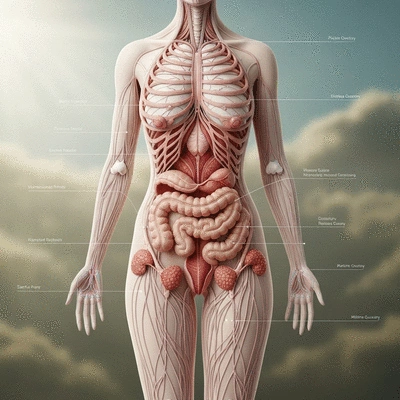
Understanding key hormones and their impact on weight is crucial for effective management. This visual highlights the causes and effects of hormonal imbalances. For a deeper dive into how fasting interacts with these critical bodily functions, consider exploring fasting and hormones in weight control.
Insulin resistance can significantly lead to weight gain by affecting how the body processes blood sugar.
Elevated stress hormone levels increase appetite, particularly for high-calorie, comfort foods.
High levels in women can lead to increased abdominal fat storage, contributing to weight gain.
Fluctuations in estrogen and progesterone during these stages significantly contribute to weight gain.
Do you ever feel like no matter what you do, the scale just won't budge? One major player in this struggle could be hormone imbalance. Hormones like insulin, cortisol, and androgens are essential for regulating our metabolism and body weight. When they're out of whack, it can lead to unwanted weight gain and other health issues.
At Fasted Intelligence, I often see how understanding these hormones can empower individuals on their weight management journey. So, let’s take a closer look at what causes hormone imbalance, especially in women, and how it affects weight.
Hormone imbalances can stem from various factors. Here are some of the key hormones involved in weight gain:
Understanding the intricate dance of these hormones is crucial for tackling weight issues. By addressing imbalances, you can pave the way for sustainable weight loss.
Hormonal changes are a natural part of life, especially during significant transitions such as perimenopause and menopause. These life stages can lead to fluctuations in estrogen and progesterone levels, contributing to weight gain.
In fact, many women experience weight gain during menopause due to decreased estrogen, which can lead to increased fat storage. Recognizing these changes is essential for developing effective weight management strategies that accommodate your body's evolving needs.
Identifying symptoms of hormonal imbalance is a key step in understanding its impact on weight management. Common signs include:
These symptoms can derail your efforts to lose weight, making it harder to stick to dietary changes or exercise routines. By addressing these imbalances, you can regain control over your weight loss journey.
Have you noticed any changes in your body weight or health as a result of hormonal imbalances? Sharing your journey can be incredibly beneficial, not just for you but for others who may be facing similar challenges. What strategies have you found helpful in managing these imbalances?
Intermittent fasting offers a variety of benefits that can significantly help in correcting hormonal imbalances linked to weight gain. By incorporating fasting into your routine, you may experience improvements in hormone regulation, leading to better metabolic health. Here’s a quick recap of the key points:
At Fasted Intelligence, we believe that understanding your body’s hormonal responses is crucial for achieving sustainable weight loss and improved health. Intermittent fasting is a tool that, when used correctly, can guide you towards a more balanced hormonal life!
As you consider integrating intermittent fasting into your lifestyle, it’s essential to consult healthcare providers before starting any new regimen. They can help tailor your approach based on your individual health needs and hormonal status. Additionally, consider exploring reliable resources for further learning.
For women experiencing significant hormonal imbalances, hormonal therapy may be a viable solution. This approach aims to restore hormonal levels to their natural state, potentially alleviating symptoms associated with imbalances. Here are some common hormonal therapy options:
Discussing these options with a healthcare professional can help you make informed choices in your journey toward hormonal balance. Understanding the interplay between various hormones, such as estrogen and insulin, can further inform these discussions. We delve deeper into this topic in our article about understanding estrogen and insulin interplay.
Have you tried intermittent fasting? I invite you to share your experiences and questions in the comments below! Your insights can help foster a supportive community at Fasted Intelligence, where we can all learn from one another's journeys toward improved health and well-being.
Here is a quick recap of the important points discussed in the article:
Jordan Sinclair is a passionate health and wellness advocate dedicated to evidence-based practices in weight management and fasting. With a solid background in nutritional science and health coaching, Jordan excels at translating complex research into clear, actionable insights. Through Fasted Intelligence, he empowers adults on their journey toward sustainable weight loss and improved metabolic health, providing research-backed guidance that cuts through the noise and focuses on what truly works.