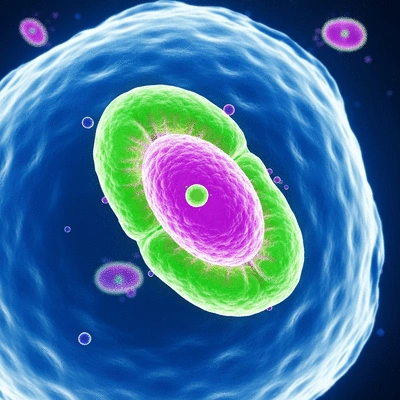
PGC-1α: The Cellular Conductor
A protein central to energy metabolism and mitochondrial health, coordinating elements for optimal cellular performance.
- Regulates mitochondrial biogenesis
- Supports oxidative metabolism
- Influences muscle fiber type
As we age, our cells demand more from us to maintain energy and vitality. What if there was a way to naturally support our cellular health and longevity? Enter PGC-1α, a protein pivotal for energy metabolism and mitochondrial function. By understanding its role, you can make informed choices to enhance your overall well-being.
The following visual illustrates the profound impact of PGC-1α on cellular function, mitochondrial health, and overall well-being, highlighting key areas influenced by this vital protein and the role of natural activators like fasting and antioxidants.
A protein central to energy metabolism and mitochondrial health, coordinating elements for optimal cellular performance.
Have you ever wondered what makes our cells tick? At the heart of cellular function lies PGC-1α, a crucial protein that plays a pivotal role in energy metabolism and mitochondrial health. Think of PGC-1α as a conductor of an orchestra, coordinating the various elements needed for optimal cellular performance. Understanding its significance can provide you with insights into boosting your health and well-being.
PGC-1α stands for Peroxisome proliferator-activated receptor gamma coactivator 1-alpha. This powerhouse is involved in regulating genes responsible for energy metabolism, particularly within our mitochondria, the powerhouse of the cell. When activated, PGC-1α promotes mitochondrial biogenesis, effectively increasing the number and function of these energy-producing organelles, which is vital for our overall health. To learn more about how this impacts your metabolic function, read our article on intermittent fasting and metabolism insights.
As I explore the fascinating world of cellular function, I find that PGC-1α is a key player in maintaining metabolic flexibility. This protein helps your cells adapt to changes in energy demand, ensuring they can efficiently burn fat and glucose for fuel. It’s like having a well-tuned engine that adjusts its performance based on the driving conditions!
In essence, PGC-1α is vital not just for energy production but also for overall metabolic health. By understanding this protein’s role, we can start to appreciate how lifestyle choices like diet and exercise can impact our cellular functions.
Mitochondrial health is more than just energy production—it's linked to various aspects of our well-being. When our mitochondria function optimally, we experience improved metabolic efficiency, enhanced exercise performance, and even better mood regulation. Conversely, mitochondrial dysfunction can lead to fatigue, weight gain, and other health challenges.
Through my journey in health and wellness, I’ve seen the profound effects of prioritizing mitochondrial health. When we optimize these tiny organelles, we unlock potential benefits that extend far beyond just physical energy.
As we age, the function of our mitochondria tends to decline, leading to reduced energy levels and increased susceptibility to age-related diseases. Here, PGC-1α offers hope. Research indicates that maintaining high levels of PGC-1α might help mitigate some aging effects, promoting greater longevity and vitality.
At Fasted Intelligence, I aim to provide practical strategies to enhance PGC-1α levels naturally through intermittent fasting and nutrition. By understanding how this protein influences our aging process, we can make informed choices to support our health in the long run.
To enhance your mitochondrial health and PGC-1α levels, consider incorporating high-intensity interval training (HIIT) into your routine. Research shows that short bursts of intense exercise can significantly stimulate PGC-1α expression, promoting mitochondrial biogenesis and improving overall metabolic function. Pair this with a nutrient-dense diet rich in antioxidants for maximum benefits!
As we dive into the relationship between fasting and PGC-1α, it’s clear that the benefits extend well beyond simple weight loss. Fasting triggers a profound hormonal boost that enhances mitochondrial function, ultimately leading to improved energy metabolism. This connection is vital for anyone looking to optimize their health.
Here are some key takeaways that summarize the impact of fasting on PGC-1α and mitochondrial health:
Understanding these points can empower you to embrace fasting as a tool for better health. At Fasted Intelligence, we aim to provide you with the knowledge necessary to maximize these benefits on your journey toward metabolic wellness.
One of the most rewarding aspects of our community at Fasted Intelligence is the shared experiences that highlight the power of fasting. When individuals come together to discuss their journeys, we not only learn from one another but also find motivation and support. Have you tried fasting? What has been your experience? Sharing stories can open up discussions on effective methods, struggles, and triumphs.
Community insights often reveal diverse approaches to fasting. Here’s what many have found helpful:
Your story could inspire someone else on their health journey. It’s amazing how collective wisdom can elevate our understanding of fasting and its benefits!
Antioxidants play a crucial role in supporting mitochondrial health, especially during fasting. As we discussed, fasting reduces oxidative stress, but pairing it with antioxidant-rich foods can further bolster your metabolic function. Antioxidants protect cells from damage, promoting longevity and vitality.
Incorporating these antioxidant-rich foods into your diet can be a game-changer:
By focusing on antioxidants, you can enhance the benefits of fasting while ensuring your body remains resilient against oxidative stress. At Fasted Intelligence, we encourage you to explore these options as you navigate your fasting journey!
As we continue our exploration of fasting and mitochondrial health, it’s essential to approach fasting safely and intentionally. Consulting with a healthcare professional can provide personalized insights tailored to your unique health needs. This step is especially important if you're new to fasting or have pre-existing health conditions.
Here are some recommendations for safe fasting practices:
By taking these actions, you ensure a safer pathway toward enhancing your mitochondrial health through fasting.
Your fasting journey is unique, and sharing it can foster a sense of community and support. Whether you’ve faced challenges or celebrated successes, your experiences can provide valuable lessons for others. At Fasted Intelligence, we encourage you to articulate your journey, as it may resonate with someone else seeking guidance.
Here are some prompts to consider as you reflect on your journey:
Sharing these insights not only helps you process your experiences but also strengthens our community connection!
The gut microbiota also plays an essential role in mitochondrial health. Emerging research suggests that a balanced microbiome can positively influence mitochondrial function, especially during fasting. By maintaining a healthy gut, we can enhance our body’s response to fasting, improving outcomes. You can delve deeper into this topic by exploring fasting's impact on gut health.
Here are a few strategies to support your gut microbiota:
By focusing on gut health, you can further amplify the benefits of fasting and promote a thriving mitochondrial environment. Remember, at Fasted Intelligence, we’re here to support you on this transformative journey!
Here is a quick recap of the important points discussed in the article:
PGC-1α (Peroxisome proliferator-activated receptor gamma coactivator 1-alpha) is a crucial protein that plays a central role in energy metabolism and mitochondrial health. It acts as a "cellular conductor," coordinating elements for optimal cellular performance. It's vital because it promotes mitochondrial biogenesis (the creation of new mitochondria) and helps your cells efficiently burn fat and glucose for fuel, impacting energy levels, weight management, and cognition.
Mitochondrial health significantly impacts overall well-being. Healthy mitochondria lead to improved energy levels, better metabolic efficiency, enhanced exercise performance, and improved mood and cognitive function. Conversely, dysfunctional mitochondria can contribute to fatigue, weight gain, and other health issues.
Yes, PGC-1α offers hope for mitigating some effects of aging. By supporting enhanced cellular repair, reducing oxidative stress, and improving muscle function, maintaining high levels of PGC-1α can promote greater longevity and vitality. As we age and mitochondrial function declines, PGC-1α becomes even more critical.
Fasting triggers a profound hormonal boost that enhances mitochondrial function and naturally boosts PGC-1α expression. This leads to increased mitochondrial biogenesis, improved insulin sensitivity, hormonal regulation (like glucagon and cAMP), and reduced oxidative stress. These effects collectively contribute to improved metabolic efficiency and cellular health.
Antioxidants are crucial for supporting mitochondrial health by protecting cells from damage caused by oxidative stress. While fasting naturally reduces oxidative stress, incorporating antioxidant-rich foods (like dark leafy greens, berries, and certain nuts and spices) can further bolster your metabolic function, promoting longevity and vitality.
A balanced gut microbiota positively influences mitochondrial function. Maintaining a healthy gut can enhance your body's response to fasting, improving overall outcomes. Strategies to support gut microbiota include consuming probiotic-rich foods, including prebiotic fibers, and avoiding excessive sugar and processed foods.
Jordan Sinclair is a passionate health and wellness advocate dedicated to evidence-based practices in weight management and fasting. With a solid background in nutritional science and health coaching, Jordan excels at translating complex research into clear, actionable insights. Through Fasted Intelligence, he empowers adults on their journey toward sustainable weight loss and improved metabolic health, providing research-backed guidance that cuts through the noise and focuses on what truly works.