Expected Timeline for
Inflammation Reduction
4-8 Weeks
Noticeable changes in inflammation levels.
Have you ever considered the powerful synergy between omega-3 fatty acids and fasting? As science continues to unfold, the insights regarding how these elements interact offer a roadmap to enhanced health and well-being.
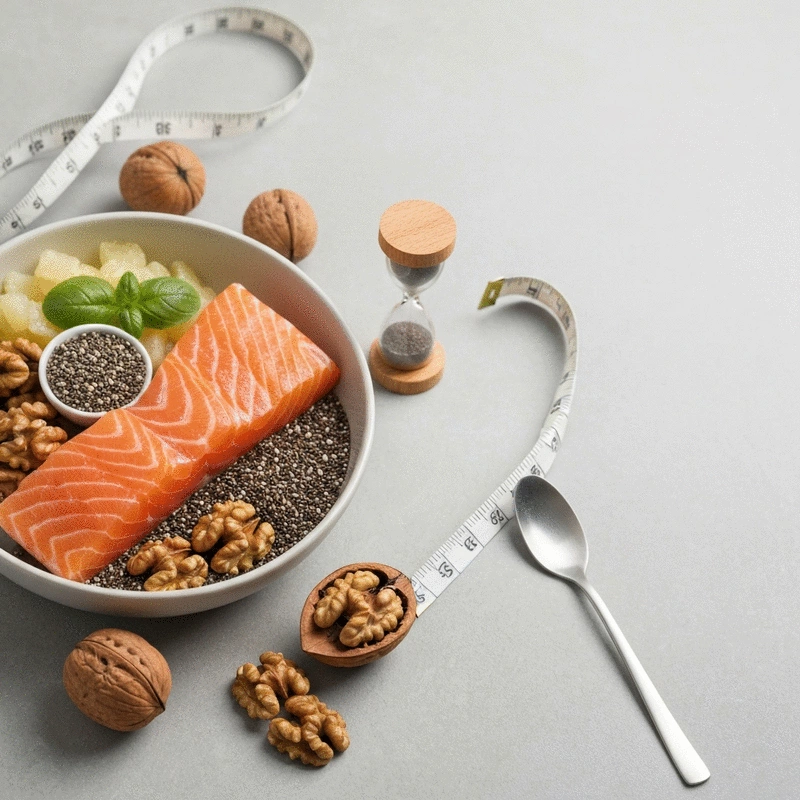
This visual summarizes the expected timelines for key health improvements when combining omega-3 supplementation with a fasting regimen. For a deeper dive into how different fasting approaches impact your body, explore intermittent fasting and metabolism insights.
Noticeable changes in inflammation levels.
Gradual reduction in body weight.
Enhanced metabolic profile.
Considerable decrease in chronic inflammation markers.
Many of us are aware of the health benefits of omega-3 fatty acids, but how do they fit into the fasting equation? At Fasted Intelligence, we believe in understanding the science behind nutrition and fasting to empower our readers. Let’s dive into the essentials of omega-3s and their connection to fasting!
Omega-3 fatty acids are essential fats that our bodies cannot produce on their own, making it crucial to include them in our diets. They are primarily found in certain fish, algae, and plant-based sources. The three main types of omega-3s are:
Each type plays a unique role in promoting health, but EPA and DHA are particularly noted for their benefits in reducing inflammation.
Research shows that EPA and DHA can significantly help in lowering inflammation. When consumed, these fatty acids are converted into resolvins and protectins, which actively mitigate inflammatory processes in the body. This is especially interesting for those of us practicing intermittent fasting, as reducing inflammation can enhance recovery during fasting periods!
Additionally, maintaining lower levels of inflammation can improve metabolic health and may support fat loss efforts, which is incredibly relevant for our community at Fasted Intelligence. For more on managing your body's response to stress and fasting, consider exploring cortisol and fasting stress management.
Beyond inflammation, omega-3s contribute to cardiovascular health by improving lipid profiles and lowering triglycerides. Studies suggest that regular intake of these fatty acids can enhance insulin sensitivity, which is vital for anyone looking to manage weight effectively.
As someone who advocates for evidence-based health practices, I find these benefits compelling for those considering a fasting protocol!
While EPA and DHA are primarily found in fish, ALA is a plant-based omega-3 that you can get from sources like flaxseeds, chia seeds, and walnuts. Incorporating these foods into your diet can be a great strategy to complement your fasting routine, especially for those who prefer plant-based options.
At Fasted Intelligence, we emphasize the importance of including a variety of omega-3 sources in your diet. This not only helps in achieving a balanced nutrient intake but also supports overall wellness during fasting periods.
When you embark on a fasting regimen, your body undergoes several fascinating changes. Understanding these can help you appreciate how omega-3s fit into the picture. Fasting can influence various biological systems, including inflammatory pathways.
Fasting has been shown to lower chronic inflammation markers such as C-reactive protein (CRP) and interleukin-6 (IL-6). This can be especially beneficial when paired with omega-3s, as they work synergistically to enhance anti-inflammatory processes in the body.
For example, if you’re fasting and consuming omega-3s, your body may respond more favorably in terms of inflammation, setting the stage for better health outcomes.
Both intermittent and prolonged fasting have their unique benefits. Intermittent fasting typically involves cycling between eating and fasting periods, while prolonged fasting extends over a longer duration without food intake. Understanding these differences can guide your approach to incorporating omega-3s effectively.
Caloric restriction, a common aspect of fasting, can lead to various metabolic adaptations. This is where omega-3s come into play by supporting metabolic health. Studies suggest they can help mitigate metabolic slowdown during caloric restriction, allowing you to maintain energy levels and support weight loss goals.
By combining fasting with omega-3 supplementation, you may enhance your journey toward sustainable weight loss—something we strive to empower at Fasted Intelligence!
To maximize the benefits of omega-3 fatty acids during your fasting regimen, consider timing your intake. Consuming omega-3-rich foods or supplements right before your eating window can enhance absorption and optimize the anti-inflammatory effects, making your fasting experience even more effective!
Omega-3 fatty acids are essential fats your body cannot produce on its own. They are crucial for reducing inflammation, supporting heart health, improving mental clarity, and enhancing metabolic function. EPA and DHA are particularly effective in these roles.
When consumed, omega-3s (especially EPA and DHA) are converted into compounds like resolvins and protectins, which actively reduce inflammatory processes. This synergy with fasting, which also lowers inflammation markers, can significantly boost anti-inflammatory effects and aid recovery.
EPA and DHA are primarily found in fatty fish (like salmon, mackerel, and sardines) and algae. ALA, a plant-based omega-3, is found in flaxseeds, chia seeds, and walnuts. Incorporating a variety of these sources ensures a balanced intake.
While individual results vary, you might see noticeable inflammation reduction within 4 to 8 weeks, gradual weight loss in 6 to 12 weeks, and improved insulin sensitivity in 2 to 3 months. Consistency in both practices is key for optimal results.
Yes, combining these practices can significantly impact body composition and insulin sensitivity. Omega-3s support metabolic health and help mitigate metabolic slowdown during caloric restriction, while fasting enhances fat oxidation and improves glucose metabolism, leading to reduced fat mass and enhanced insulin sensitivity.
As we wrap up our exploration of the relationship between omega-3 fatty acids and fasting, it's essential to synthesize the key points. Understanding how these two powerful elements intersect offers us a unique pathway toward improved health and well-being. This section will summarize the expected results from combining omega-3s with fasting and provide actionable steps you can take.
By integrating these practices into your lifestyle, you may find remarkable improvements in your inflammation levels, body composition, and overall metabolic health. Let’s delve into the insights that can guide your journey!
When you decide to incorporate omega-3 supplementation with a fasting regimen, it’s vital to have realistic expectations regarding the timeline for results. While every individual’s experience may vary, here’s a general overview:
It’s important to remember that consistency is key! Engaging regularly in fasting and ensuring adequate omega-3 intake will amplify your results.
Let’s break down the expected timelines a little more:
While these timelines are general, they can vary based on individual factors such as genetics, diet, and lifestyle choices!
Combining fasting with omega-3 intake can lead to significant changes in your body composition. Specifically, many individuals witness:
These benefits not only contribute to a healthier body but also support your long-term wellness journey. Remember, it’s about creating sustainable habits!
Now that we've established the connection between omega-3s, fasting, and inflammation, let's talk about how to effectively implement these insights into your daily life. Here are some straightforward yet powerful steps you can take:
To merge omega-3s and fasting into your life, consider these strategies:
By being intentional about your meals and fasting schedule, you can create an effective routine that promotes health.
Mindfulness is a powerful ally in your journey. Try these practices to enhance your health optimization:
Incorporating mindfulness can create a more holistic approach to your health journey!
Lastly, consider these lifestyle changes to boost nutrient absorption and overall health:
By making these changes, you can better support your body in utilizing the benefits of omega-3s and fasting.
Here is a quick recap of the important points discussed in the article:
Jordan Sinclair is a passionate health and wellness advocate dedicated to evidence-based practices in weight management and fasting. With a solid background in nutritional science and health coaching, Jordan excels at translating complex research into clear, actionable insights. Through Fasted Intelligence, he empowers adults on their journey toward sustainable weight loss and improved metabolic health, providing research-backed guidance that cuts through the noise and focuses on what truly works.