What is Autophagy? (Cellular Cleanup)
Natural mechanism where cells recycle waste and damaged components to stay healthy and function optimally.
Have you ever thought about how your body's cellular processes can impact your overall health? The link between autophagy and fasting might just hold the key to transforming your metabolic health. In this article, we unravel these concepts and explore how you can harness their benefits.
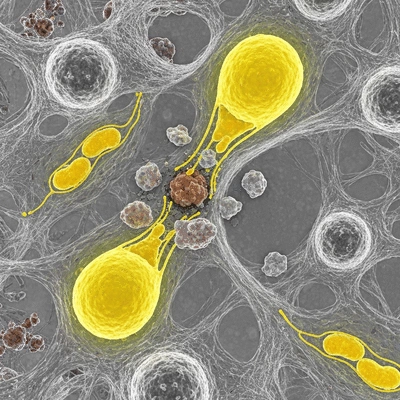
This visual summarizes key aspects of autophagy and various fasting protocols, highlighting their role in cellular health and disease prevention.
Natural mechanism where cells recycle waste and damaged components to stay healthy and function optimally.
Understanding the link between autophagy and fasting can be transformative for anyone looking to improve their metabolic health. As someone passionate about health and wellness, I believe it's essential to demystify these concepts. Let's dive into what autophagy is and how fasting can influence this crucial cellular process!
At its core, autophagy is a natural mechanism by which cells recycle waste and damaged components. This process is like a spring cleaning for your cells, helping them stay healthy and function optimally. By understanding this, we can appreciate why activating autophagy through methods like fasting can contribute to overall health improvements. For a deeper dive into how fasting impacts your body's systems, explore our article on intermittent fasting and metabolism insights.
So, what exactly is autophagy? Think of it as your body’s way of maintaining cellular homeostasis. During autophagy, cells break down and remove dysfunctional proteins and organelles, which helps protect against various diseases, including neurodegenerative conditions.
With these key functions, autophagy plays a significant role in longevity and health, making it essential to understand how we can promote this process effectively.
Fasting isn’t just about skipping meals; it encompasses various approaches that can lead to remarkable health benefits. At Fasted Intelligence, I advocate for evidence-based fasting protocols, which include:
Each of these methods offers unique benefits and can activate autophagy to varying degrees. By exploring these options, you can find what best suits your lifestyle and health goals. For further reading on different fasting regimens, consider our comparison of alternate-day vs. 5:2 fasting.
Intermittent fasting, in particular, has gained popularity due to its ability to enhance autophagy. By creating periods of fasting, your body initiates this cellular cleanup process, allowing for renewal and repair. Research suggests that even short fasting windows can activate autophagy, making it accessible for most people.
As you can see, integrating intermittent fasting into your routine can be a practical approach to unlocking the benefits of autophagy. By focusing on your personal goals and listening to your body, you can make fasting a valuable part of your health journey!
Have you tried incorporating fasting into your health regimen? We'd love to hear about your experience:
Autophagy is a natural cellular process where cells recycle waste and damaged components to maintain health and function optimally. It's like a "self-eating" process that helps clean out cellular debris.
Fasting, by creating periods of food deprivation, prompts the body to initiate cellular repair processes, including autophagy. When the body isn't busy digesting food, it can focus on cellular cleanup and renewal.
Various fasting approaches can activate autophagy, including intermittent fasting (e.g., 16/8 protocol, 5:2 diet, alternate-day fasting) and extended fasting. Fasting-mimicking diets can also induce similar effects without complete food deprivation.
Long-term benefits may include a lowered risk of chronic diseases like type 2 diabetes, improved cardiovascular health, enhanced cognitive function, and reduced risk of neurodegenerative conditions, as well as overall metabolic health improvements.
While intermittent fasting offers many benefits and is accessible for most people, it's essential to listen to your body and consult with a healthcare professional before starting any new fasting regimen, especially if you have underlying health conditions.
When we talk about fasting and its relationship with autophagy, it's essential to consider the long-term effects these practices can have on our health. While much of the research has focused on short-term benefits, understanding how these processes impact us over time can provide valuable insights into sustainable weight management and overall wellness. Here at Fasted Intelligence, we believe that informed decisions come from a deep understanding of the science behind our health choices!
Longitudinal studies are crucial for evaluating the long-term impacts of fasting and autophagy. These studies track health outcomes over extended periods, allowing us to see how consistent fasting practices might shape our health trajectories. Some significant areas of focus in these studies include:
By examining these factors through longitudinal research, we can glean insights into the sustainability of fasting as a tool for improving metabolic health and preventing diseases. This also plays a key role in understanding fasting's impact on insulin sensitivity.
While we have made great strides in understanding fasting and autophagy, there are still significant gaps in research that need addressing. Future studies should focus on:
By tackling these questions, we can enhance our understanding of how to implement fasting effectively for different populations, guiding individuals in making informed choices that align with their health goals.
One of the most promising aspects of fasting and autophagy is their potential to prevent chronic diseases. Research suggests that regular fasting can lead to improved health markers, including:
Incorporating fasting as a lifestyle choice may provide a powerful tool for individuals looking to enhance their long-term health. As I often emphasize in my coaching, it's essential to listen to your body and choose fasting approaches that resonate with you personally. By doing so, you set yourself up for success in your wellness journey!
Here is a quick recap of the important points discussed in the article:
Jordan Sinclair is a passionate health and wellness advocate dedicated to evidence-based practices in weight management and fasting. With a solid background in nutritional science and health coaching, Jordan excels at translating complex research into clear, actionable insights. Through Fasted Intelligence, he empowers adults on their journey toward sustainable weight loss and improved metabolic health, providing research-backed guidance that cuts through the noise and focuses on what truly works.