16:8 Fasting Protocol
Focus on higher protein for muscle retention.
Moderate carbohydrates to sustain energy.
What if the key to optimizing your fasting journey lies in understanding macronutrients? The way you compose your meals can significantly influence your results, making this insight a game changer for anyone dedicated to sustainable weight loss.
Different fasting durations require specific macronutrient strategies to optimize results for energy, fat loss, and muscle preservation. For those following structured eating plans, understanding understanding 16:8 intermittent fasting is crucial for maximizing the benefits of their fasting regimen.
Focus on higher protein for muscle retention.
Moderate carbohydrates to sustain energy.
Prioritize fats for longer satiety.
Sufficient protein to reduce muscle breakdown.
Emphasize nutrient-dense foods in eating windows.
Maximize nutrition without calorie overload.
When we talk about fasting, meal composition is a crucial element that often gets overlooked. Understanding how macronutrients—protein, fat, and carbohydrates—affect our fasting results can truly transform your journey toward sustainable weight loss. So, let's dive in and explore how each of these macronutrients plays a role in your fasting experience!
Each macronutrient has unique effects on our bodies and can significantly impact the outcomes of our fasting regimens. Here’s how they stack up:
By understanding the distinct roles of these macronutrients, you can tailor your fasting approach to meet your personal health goals. It’s about finding the right balance that works for your body!
One of the primary advantages of including protein in your meals while fasting is its ability to preserve muscle mass. When you're in a caloric deficit, your body can sometimes break down muscle for energy. However, adequate protein intake combats this by providing the necessary building blocks for muscle recovery and growth.
Additionally, protein is known for enhancing satiety, which can help you feel full longer during your fasting periods. This means fewer cravings and a smoother fasting experience overall! To further understand how protein can be leveraged, explore strategies for protein timing for muscle preservation.
When it comes to fat, it serves as a vital energy source, especially during extended fasting. Healthy fats—like those from avocados, nuts, and olive oil—provide sustained energy, helping to keep you fueled throughout your fasting window. Moreover, fats play a critical role in maintaining hormonal balance, which is key for metabolic health.
Incorporating healthy fats can enhance your overall well-being while fasting, allowing your body to tap into fat stores for energy more efficiently!
Carbohydrates are often seen as the go-to source for quick energy. However, during fasting, their timing becomes essential. Consuming too many carbs can spike insulin levels, potentially hindering your fasting benefits. Instead, consider timing your carb intake to align with your activity levels.
For example, consuming carbs after your fasting period can help replenish energy stores. This strategy allows you to maintain energy levels without compromising your fasting goals. It’s all about strategy!
As we explore meal composition, one interesting concept is protein-pacing, which refers to distributing protein intake throughout the day rather than consuming it all at once. This approach can enhance muscle retention and improve metabolic health.
Protein-pacing involves consuming protein-rich foods at regular intervals, particularly around your fasting windows. By spreading protein intake, you can maximize muscle synthesis while minimizing muscle loss. This practice not only helps with weight loss but also promotes a healthier metabolic rate, which is essential for sustainable weight management.
Research indicates that timing your protein intake can significantly affect muscle retention during weight loss. Studies show that individuals who spaced their protein consumption throughout the day retained more muscle mass compared to those who consumed it all in one sitting. This insight can help you devise your meal strategy more effectively!
Now that we’ve covered the role of macronutrients, let’s discuss the importance of nutrient timing during your fasting journey. This is where many individuals see significant results!
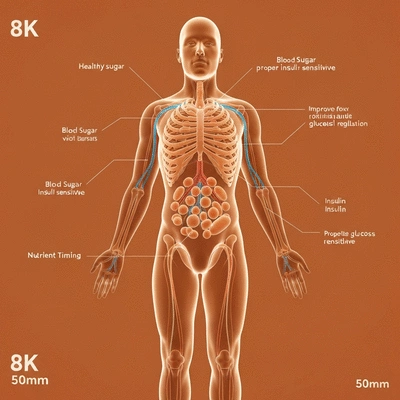
Proper nutrient timing can enhance insulin sensitivity, allowing your body to process glucose more effectively. This is particularly important for those trying to manage their weight or improve metabolic health.
By aligning your nutrient intake with your fasting schedule, you can optimize your body’s metabolic responses, ultimately leading to better results.
Nutrient timing is also crucial for maximizing muscle gains. Consuming protein and carbohydrates post-workout, for instance, can significantly enhance muscle recovery and growth. Implementing a strategic timing approach can help you build muscle while still enjoying the benefits of fasting!
As you embark on your fasting journey, it’s essential to customize your meal composition based on your individual needs. By understanding your body and goals, you can fine-tune your macronutrient intake for optimal results!
To maximize the benefits of your fasting regimen, consider incorporating a method known as protein-pacing. Distributing your protein intake evenly throughout the day, especially around your fasting windows, can significantly enhance muscle retention and metabolic health. This approach not only helps you feel fuller but also supports your body in maintaining muscle mass during weight loss. Try implementing this strategy in your meal planning for optimal results!
To truly optimize your fasting experience, it's vital to understand how macronutrient strategies can be tailored to your specific fasting protocol. Each fasting duration, whether it's 16:8, 24-hour, or extended fasting, requires a unique approach to meal composition. This customization helps to ensure you maintain energy levels while also promoting effective fat loss and muscle preservation.
When engaging in intermittent fasting, it's essential to consider how different fasting lengths influence your body's nutritional needs. Let's break it down!
Different fasting protocols necessitate varying macronutrient compositions. Here’s a quick overview of how they differ:
As you adjust the fasting duration, you’ll notice the need to shift your macronutrient composition accordingly. For instance, during longer fasting periods, your body may require more fats for energy, while shorter fasts can often accommodate a more balanced ratio of macronutrients.
The way we structure our meals is crucial for performance. For example, when engaging in a 16:8 protocol, the focus is often on a balanced intake of proteins, fats, and carbohydrates to support sustained energy. However, during a 24-hour fast, fat becomes a more critical energy source, allowing the body to enter a state of ketosis, which can enhance fat burning.
Understanding these shifts in macronutrient needs can significantly enhance your results when fasting. By being aware of how fasting duration affects your body's energy requirements, you can make informed choices that align with your health goals.
For those of you living an active lifestyle, adjusting your macronutrient intake can be a game-changer. As someone passionate about health and wellness, I can attest that a tailored approach to meal composition can significantly impact performance. Here are some strategies to consider:
By adjusting your macros based on your activity levels, you can perform at your best even while fasting. Remember, it's about finding the right balance that keeps you energized and supports your fitness journey!
After a workout, recovery is critical. Consuming enough protein helps with muscle repair and growth. Pairing it with carbohydrates replenishes glycogen stores, especially after intense training. This combination not only promotes muscle gain but also enhances overall performance.
Moreover, maintaining a caloric deficit while ensuring adequate nutrient intake is essential for keeping your energy levels stable. This balance allows you to work out effectively without feeling drained or fatigued.
Finding that sweet spot between caloric deficit and energy balance can truly enhance your fasting results. If you consume too few calories, you risk losing muscle and energy; too many can hinder fat loss. It’s a delicate balance that requires attention to your macronutrient intake. Furthermore, effective intermittent fasting and insulin sensitivity can play a significant role in optimizing metabolic health during this process.
As you navigate your fasting journey with Fasted Intelligence, remember that small adjustments can make a big difference in your performance and overall health. By integrating these macronutrient strategies, you can ensure that your fasting experience is not only effective but also enjoyable!
A: Understanding macronutrients (protein, fat, and carbohydrates) is crucial because the composition of your meals significantly influences your fasting results, impacting energy levels, fat loss, muscle preservation, and satiety. Tailoring your macronutrient intake can optimize your fasting journey.
A: Protein is essential for muscle preservation during caloric deficits, preventing the body from breaking down muscle for energy. It also enhances satiety, helping you feel full longer and reducing cravings during fasting periods.
A: Healthy fats provide a steady and sustained energy source, especially during extended fasting, and are critical for maintaining hormonal balance. They help keep you fueled and allow your body to efficiently tap into fat stores for energy.
A: Carbohydrate timing is crucial. Consuming too many carbs can spike insulin levels and hinder fasting benefits. It's best to align carb intake with activity levels, typically after your fasting period, to replenish energy stores without compromising fasting goals.
A: Protein-pacing involves distributing protein intake throughout the day rather than consuming it all at once. This approach maximizes muscle synthesis, minimizes muscle loss, aids in weight loss, and promotes a healthier metabolic rate for sustainable weight management.
A: Proper nutrient timing enhances insulin sensitivity and optimizes metabolic responses. For muscle gain, consuming protein and carbohydrates post-workout significantly improves muscle recovery and growth, helping to build muscle while still benefiting from fasting.
A: For 16:8 fasting, focus on higher protein and moderate carbs. For 24-hour fasting, prioritize fats for satiety and sufficient protein to prevent muscle breakdown. For extended fasting, emphasize nutrient-dense foods during eating windows to maximize nutrition without excess calories. Adjusting macros based on fasting duration helps align energy sources with body needs.
Here is a quick recap of the important points discussed in the article:
Jordan Sinclair is a passionate health and wellness advocate dedicated to evidence-based practices in weight management and fasting. With a solid background in nutritional science and health coaching, Jordan excels at translating complex research into clear, actionable insights. Through Fasted Intelligence, he empowers adults on their journey toward sustainable weight loss and improved metabolic health, providing research-backed guidance that cuts through the noise and focuses on what truly works.