What Happens During Fasting?
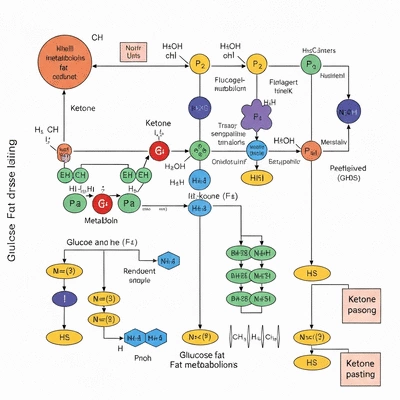
- ✓ Glycogen stores depleted (12-24 hrs)
- ✓ Insulin levels decrease (promotes fat breakdown)
- ✓ Ketones produced as primary energy source
Metabolic shift from glucose to fat utilization, supporting weight management goals.
Did you know that fasting can transform your metabolism and enhance your energy levels? As you explore the fascinating connection between fasting and ketone production, you'll uncover valuable insights that can empower your health journey.
This visual illustrates the key metabolic changes that occur during fasting, leading to ketone production and its associated benefits and considerations.
Metabolic shift from glucose to fat utilization, supporting weight management goals.
Ketones are vital fuel, enhancing fat oxidation and providing neuroprotective benefits.
Consult healthcare professional before starting any fasting regimen.
Enhance fasting experience and support effective ketosis.
When we fast, our bodies undergo significant metabolic changes that shift our energy sources. This process is crucial for anyone interested in sustainable weight loss and metabolic health, and it's one of the key topics we explore at Fasted Intelligence. Let's dive into what happens during fasting and how it connects to ketone production.
During a fasting period, our body depletes its glycogen stores and starts looking for alternative energy sources. This transition prompts a metabolic shift from using glucose to utilizing fats, leading to the production of ketone bodies. By understanding these changes, we can better appreciate the benefits of fasting! For more on metabolic health, explore our insights on intermittent fasting and insulin sensitivity.
As insulin levels drop, our body initiates a process known as lipolysis, breaking down stored fats into free fatty acids. These fatty acids are then converted into ketones in the liver, providing a powerful alternative energy source. This switch can enhance fat oxidation and ultimately support weight management goals.
Ketone bodies, primarily β-hydroxybutyrate and acetoacetate, serve as vital fuel sources during fasting. They fill the gap left by glucose, allowing our brain and body to function effectively even in the absence of carbohydrates. This is a game-changer for many looking to increase their energy levels while promoting fat loss.
Research suggests that ketones are not just energy sources; they play a role in various metabolic processes that enhance overall health. For instance, they help reduce inflammation and provide neuroprotective benefits, making fasting even more beneficial! Learn more about the science behind these processes in our article on intermittent fasting and metabolism insights.
Understanding how our body transitions from glucose metabolism to fat oxidation is key to harnessing the benefits of fasting. During fasting, the liver converts fatty acids into ketones, which can then be utilized by various tissues, including the brain. This shift not only aids in weight loss but also enhances metabolic flexibility.
At Fasted Intelligence, we emphasize that this metabolic flexibility is critical for long-term health. By training our bodies to use both carbohydrates and fats efficiently, we can improve our overall metabolic health.
During fasting, the process of lipolysis becomes more pronounced, leading to increased ketone production. This is particularly beneficial for those looking to optimize their health and energy levels while managing weight. It’s fascinating to see how our bodies adapt and thrive in response to fasting!
Ketosis is the metabolic state achieved during fasting when ketone levels are elevated. It's a natural process that occurs when we significantly reduce carbohydrate intake or fast for extended periods. The benefits of ketosis include enhanced fat burning, improved mental clarity, and potentially a reduced risk of chronic diseases. For a deeper dive into the debate between fasting and calorie counting for weight loss, check out Fasting or Counting: The Weight Loss Debate.
By embracing fasting and understanding ketosis, we empower ourselves to make informed choices about our health. At Fasted Intelligence, we believe that knowledge is the first step toward achieving sustainable weight loss and improved metabolic health!
To maximize the benefits of fasting and ketone production, consider incorporating intermittent fasting protocols that align with your lifestyle. Start with shorter fasting windows and gradually extend them as your body adapts. This approach not only eases the transition but also enhances metabolic flexibility, allowing your body to switch efficiently between energy sources.
When diving into fasting and ketone production, it’s important to address potential risks and side effects that some individuals may encounter. While fasting can be incredibly beneficial, awareness of these challenges can help ensure a smoother journey. Let’s take a closer look!
Many individuals report experiencing the infamous keto flu when they begin fasting or a ketogenic diet. This temporary phase can include symptoms like fatigue, headaches, and irritability as your body adjusts to using ketones for energy instead of carbohydrates. Additionally, fasting may have implications for bone health, particularly in long-term protocols. It’s critical to ensure you’re still getting the necessary nutrients to maintain bone density.
Lastly, some individuals may experience fluctuations in cholesterol levels while fasting. Monitoring your health is key during this journey to ensure you're making informed choices. At Fasted Intelligence, we always recommend consulting with a healthcare professional before starting any fasting regimen, especially if you have pre-existing conditions.
Fasting is not a one-size-fits-all approach! It’s essential to tailor your fasting protocol to fit your unique lifestyle, age, and activity level. Here are some considerations to help you find what works best for you:
By personalizing your fasting schedule, you can optimize your results and make the process more enjoyable. Remember, it’s all about what works for you and your body!
Supporting your fasting journey with the right nutritional strategies is essential. During fasting periods, consider incorporating omega-3 fatty acids and other nutrient-dense foods to amplify your results. Here’s a quick list of nutritional strategies to consider:
By focusing on these nutritional strategies, you can enhance your fasting experience and support your body in achieving a state of ketosis effectively. Remember, at Fasted Intelligence, we’re here to empower you with the knowledge you need for sustainable weight loss and optimal health!
Here is a quick recap of the important points discussed in the article:
A: When you fast, your body depletes its glycogen (stored glucose) reserves. After approximately 12-24 hours, with reduced insulin levels, your body shifts to breaking down stored fats through a process called lipolysis. These fatty acids are then converted into ketone bodies in the liver, which serve as an alternative energy source.
A: Ketone bodies, primarily β-hydroxybutyrate and acetoacetate, are molecules produced by the liver from fatty acids. They act as a vital fuel source for the brain and body when glucose is scarce, providing energy and also offering neuroprotective and anti-inflammatory benefits.
A: The "keto flu" is a temporary set of symptoms like fatigue, headaches, and irritability that some individuals experience when their body transitions from burning glucose to burning ketones for energy. It can be managed by ensuring adequate hydration and replenishing electrolytes (sodium, potassium, magnesium) during fasting periods.
A: Fasting is not a one-size-fits-all approach. Personalizing your protocol based on factors like age, activity level, and individual health goals ensures that fasting is effective and sustainable for your specific needs. This helps optimize results and makes the process more enjoyable.
A: To enhance fasting and ketosis, consider incorporating omega-3 fatty acids from sources like flaxseeds and walnuts, replenishing electrolytes (sodium, potassium, magnesium), staying well-hydrated with water or herbal teas, and consuming fiber-rich foods during your eating windows to promote satiety and digestive health.
Jordan Sinclair is a passionate health and wellness advocate dedicated to evidence-based practices in weight management and fasting. With a solid background in nutritional science and health coaching, Jordan excels at translating complex research into clear, actionable insights. Through Fasted Intelligence, he empowers adults on their journey toward sustainable weight loss and improved metabolic health, providing research-backed guidance that cuts through the noise and focuses on what truly works.