
What if you could fast without fearing muscle loss? The truth is, understanding the science behind fasting can empower you to make informed choices that support both your health and fitness goals.
What You Will Learn
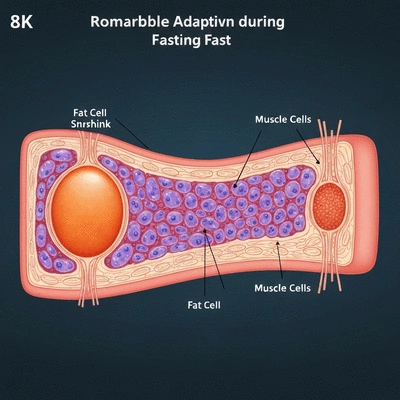
Fasting shifts the body's energy source from muscle to fat, helping to preserve muscle mass during fasting periods.
Higher levels of growth hormone during fasting play a crucial role in protecting muscle proteins.
Maintaining hydration during fasting is essential for metabolic functions and muscle health.
Incorporating resistance training can stimulate muscle growth and maintenance, even while fasting.
Consuming a protein-rich meal before and after fasting can enhance muscle retention and recovery.
Key Principles of Muscle Preservation During Fasting
The body employs several mechanisms to preserve muscle mass during fasting. Understanding these can help you fast with confidence. For a deeper dive into how fasting impacts your overall metabolic health, consider exploring intermittent fasting and metabolism insights, which further explains these intricate processes.
Energy Source Shift
The body efficiently transitions to utilizing fat stores for primary energy, significantly reducing the need to break down muscle for fuel during fasting periods.
Hormonal Changes
Fasting naturally elevates growth hormone levels, which are crucial for muscle preservation and overall recovery, safeguarding your muscle mass.
Insulin Reduction
Lowered insulin levels during fasting actively promote fat burning and minimize protein breakdown, thereby protecting muscle tissue from being used as fuel.
Protein Sparing Effect
The body prioritizes fat metabolism, actively conserving muscle proteins and ensuring they are spared from being converted into energy.
Enhanced Recovery & Autophagy
Fasting stimulates autophagy, the cellular cleanup process, which removes damaged cells and facilitates more efficient muscle recovery and maintenance.
Adaptations to Stress
Fasting acts as a mild, beneficial stressor that prompts the body to adapt, leading to improved resilience and enhanced muscle health over time.
Understanding Protein Sparing During Fasts: Debunking Muscle Loss Myths
When it comes to fasting, one of the biggest concerns is often about muscle loss. Many people fear that they’ll lose their hard-earned gains while they’re in a fasting state. But here at Fasted Intelligence, we believe it’s time to debunk this myth! Let’s explore how fasting actually affects muscle mass and what you can do to protect it.
To start, it's crucial to understand that while some muscle loss can occur during extended fasting, the body has unique mechanisms to help preserve muscle mass. So, how does fasting impact our muscles? Let's take a closer look!
How Fasting Affects Muscle Mass: A Closer Look
During fasting, the body initiates a process that prioritizes fat as its primary energy source. This shift helps in sparing muscle protein, allowing it to maintain its mass. Here are some key points to consider:
Energy Source Shift: The body utilizes fat stores for energy, reducing the need to break down muscle for fuel.
Hormonal Changes: Fasting increases levels of growth hormone, which plays a critical role in muscle preservation.
Insulin Reduction: Lower insulin levels during fasting help to promote fat burning and minimize muscle breakdown.
Understanding these factors can help ease your concerns about muscle loss during fasting. However, let’s dive deeper into the science behind how our bodies preserve muscle during these periods!
The Science Behind Muscle Preservation While Fasting
Research shows that short-term fasting can actually enhance muscle retention. A significant study highlighted that individuals who fasted intermittently experienced less muscle loss than those who didn’t. This is largely due to metabolic adaptations that occur during fasting periods, where the body becomes more efficient at utilizing fat as fuel. To learn more about this, see our article on fasting's impact on insulin sensitivity.
Key factors that aid in muscle preservation include:
Protein Sparing Effect: The body prioritizes fat metabolism, conserving muscle proteins.
Enhanced Recovery: Fasting can stimulate autophagy, the body’s method of cleaning out damaged cells, facilitating muscle recovery.
Adaptations to Stress: Fasting acts as a mild stressor, prompting the body to adapt in ways that can bolster muscle health.
With this understanding, you can approach fasting with confidence, knowing that your muscles are equipped to handle it. Next, let’s explore how insulin resistance plays a role in this process.
Exploring the Role of Insulin Resistance in Muscle Preservation
Insulin resistance can significantly affect your body’s ability to preserve muscle during fasting. When insulin levels are high, the body tends to store energy rather than use it, which can lead to muscle breakdown. Conversely, during fasting, insulin levels drop, promoting fat utilization and muscle sparing.
Improved Insulin Sensitivity: Fasting can improve your body’s response to insulin, which can help preserve muscle.
Fat Utilization: With lower insulin levels, the body taps into stored fat for energy, reducing reliance on muscle for fuel.
Enhanced Metabolism: Fasting can boost your metabolic rate, allowing for better energy management during muscle preservation.
By addressing insulin resistance through fasting, your body becomes more adept at maintaining muscle mass. This understanding empowers us to navigate our fasting journeys more effectively!
Pro Tip
To enhance muscle preservation during fasting, consider incorporating branched-chain amino acids (BCAAs) into your routine. These essential nutrients can help mitigate muscle breakdown and support recovery, especially during longer fasting periods.
Actionable Insights for Successful Protein Sparing During Fasts
Maintaining muscle mass during fasting doesn’t have to be complicated! I’ve seen firsthand how a few strategic adjustments can make a significant difference. Let’s dive into some key takeaways that can help ensure you keep your hard-earned muscle while enjoying the benefits of fasting.
Frequently Asked Questions About Fasting and Muscle Preservation
No, not necessarily. While extended fasting can potentially lead to some muscle loss, the body has mechanisms to preserve muscle mass, especially during shorter, intermittent fasts. It prioritizes using fat for energy and increases growth hormone levels to protect muscle protein.
Fasting naturally elevates growth hormone levels, which are crucial for muscle preservation and overall recovery. Lowered insulin levels also promote fat burning and minimize protein breakdown, further protecting muscle tissue.
Prioritizing protein-rich meals during your eating windows is essential. Consuming a protein-rich meal before starting a fast and within an hour after breaking it can significantly enhance muscle retention and recovery. Incorporating whole foods and healthy fats also supports overall muscle health.
Yes, resistance training can stimulate muscle growth and maintenance even while fasting. It's important to stay active without excessive exertion during the fasted state and focus on proper nutrition during eating windows to support recovery.
The protein sparing effect refers to the body's ability to prioritize fat metabolism for energy during fasting. This mechanism actively conserves muscle proteins, preventing them from being broken down and used as fuel, thus preserving muscle mass.
Key Takeaways on Maintaining Muscle Mass While Fasting
When it comes to protein sparing during your fasting periods, understanding the fundamentals can help you make better choices. Here are some vital points to keep in mind:
Stay Hydrated: Drinking plenty of water supports your body’s metabolic functions and helps maintain muscle health.
Prioritize Protein: Focus on protein-rich meals during your eating windows to promote muscle preservation.
Incorporate Resistance Training: Engaging in strength training can stimulate muscle growth and maintenance, even when fasting.
Monitor Your Body: Pay attention to how your body responds to fasting and adjust your approach as needed.
These tips serve as a foundation for success! Each point plays a crucial role in your journey toward sustainable weight loss and muscle retention. By focusing on these aspects, you're setting yourself up for a successful fasting experience.
Implementing Practical Protocols for Optimal Protein Timing and Exercise
Timing is everything, especially when it comes to protein consumption and exercise. Here’s a simple framework to follow:
Pre-Fast Protein Boost: Consider having a protein-rich meal before starting your fast to support muscle retention.
During-Fast Considerations: While in a fasted state, focus on staying active without excessive exertion.
Post-Fast Protein Window: Consume protein within an hour after breaking your fast to maximize muscle recovery. For more on this, check out our insights on protein timing for muscle preservation.
Implementing these protocols can help you integrate protein timing seamlessly into your fasting routine. It’s about creating a rhythm that works for your lifestyle while still supporting your muscle health!
Exploring Dietary Strategies for Effective Muscle Recovery
Diet plays a pivotal role in muscle recovery, especially after fasting. Here are some dietary strategies to consider:
Incorporate Whole Foods: Focus on whole, nutrient-dense foods that provide essential vitamins and minerals.
Include Healthy Fats: Foods like avocados and nuts can help reduce inflammation and support recovery.
Consider Supplements: If needed, a protein supplement can aid in meeting your daily protein goals.
By adopting these dietary strategies, you can enhance your recovery and ensure that your muscles are getting the support they need, even while fasting. Remember, each step you take brings you closer to your health goals!
Recap of Key Points
Here is a quick recap of the important points discussed in the article:
Energy Source Shift: The body primarily uses fat for energy during fasting, which helps to spare muscle protein.
Protein-Rich Meals: Focus on high-protein foods during eating windows to support muscle retention.
Resistance Training: Engaging in strength training can help maintain muscle mass even while fasting.
Hydration: Staying well-hydrated supports metabolic functions and muscle health.
Timing Matters: Consume protein soon after breaking a fast to maximize muscle recovery.
Jordan Sinclair: Empowering Your Fasting Journey
Jordan Sinclair is a passionate health and wellness advocate dedicated to evidence-based practices in weight management and fasting. With a solid background in nutritional science and health coaching, Jordan excels at translating complex research into clear, actionable insights. Through Fasted Intelligence, he empowers adults on their journey toward sustainable weight loss and improved metabolic health, providing research-backed guidance that cuts through the noise and focuses on what truly works.
Fasted Intelligence is your evidence-driven authority for sustainable weight loss through fasting and metabolic science. We empower adults with clear, research-backed guidance to optimize health and achieve lasting results.
Start your fasting journey with a 12-hour window, like 7 PM to 7 AM. This gentle introduction helps your body adapt without feeling deprived!
Hydration is key during fasting! Drink plenty of water, black coffee, or unsweetened tea to support metabolic function and reduce hunger.
Focus on nutrient-dense foods during your eating window. Prioritize lean proteins, healthy fats, and fiber-rich vegetables to fuel your body.
Listen to your body. Fasting protocols aren't one-size-fits-all. Adjust your schedule based on how you feel and your individual metabolic response.
Break your fast gently. Opt for easily digestible foods first to avoid overwhelming your digestive system, like a small salad or bone broth.
Incorporate light exercise during your fasting window. Walking or yoga can enhance fat burning and metabolic flexibility without excess strain.
Manage stress effectively. High stress levels can impact hormones like cortisol, which might hinder your fasting progress and metabolic health.
Prioritize quality sleep. Adequate sleep is crucial for hormone regulation and metabolic recovery, making your fasting efforts more effective.
Track your progress beyond just weight. Notice improvements in energy, mental clarity, and digestion as indicators of better metabolic health.
Consider your electrolyte intake, especially during longer fasts. Replenishing sodium, potassium, and magnesium can prevent fatigue.
Educate yourself on the science. Understanding *why* fasting works can strengthen your commitment and help you make informed choices.
Avoid the 'feast-or-famine' mindset. Fasting is about metabolic regulation, not extreme restriction. Balance is key for sustainable results.
Consult with a healthcare professional before starting any new fasting regimen, especially if you have underlying health conditions or are on medication.
Be patient and consistent. Sustainable weight loss and metabolic health improvements take time and dedication. Celebrate small victories!
Include a clear call-to-action in every post. This boosts engagement and guides readers to take the next step towards mastering their fasting journey!