Understanding SIRT1: The Longevity Gene
Metabolic RegulationDNA RepairInflammation Control
What if the secret to a longer, healthier life lies not in what you eat, but in when you eat? The SIRT1 pathway, a pivotal player in aging and metabolic health, connects fasting with longevity.
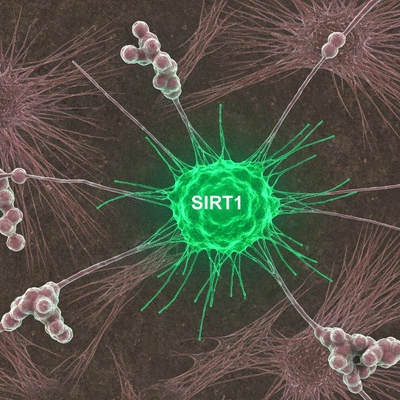
This visual summarizes the key aspects of how fasting influences the SIRT1 protein, highlighting its roles, benefits, and important considerations.
When we talk about longevity, the SIRT1 pathway often comes up in conversations about health and fasting. At Fasted Intelligence, we believe that understanding this connection is crucial for anyone looking to improve their metabolic health and overall well-being. So, let’s dive into the fascinating world of SIRT1 and its relationship with fasting!
The SIRT1 protein plays a vital role in regulating metabolic functions and has been linked to aging processes. By learning about SIRT1, we can gain insights into how fasting can potentially extend our lifespan and improve our health. It’s not just about cutting calories; it’s about activating pathways that can lead to a healthier, longer life. For more detailed information on making informed dietary choices, explore our article on Fasting or Counting: The Weight Loss Debate.
The SIRT1 protein, a member of the sirtuin family, is often referred to as a longevity gene due to its protective effects against cellular aging. It helps regulate key biological processes like metabolism, inflammation, and stress responses. By activating SIRT1, we tap into a powerful mechanism that supports cellular health.
These functions make SIRT1 a crucial player in the aging process. So, how does fasting impact SIRT1 activation? Let’s explore this connection further!
Fasting isn’t just a way to manage weight; it also influences key hormones associated with longevity. When we fast, our bodies experience changes in hormone levels that can enhance SIRT1 activation. For instance, fasting boosts the production of growth hormone, which plays a significant role in metabolic health.
These hormonal changes can lead to a range of health benefits, reinforcing the idea that fasting is more than just a dietary choice; it’s a wellness strategy that supports longevity. To understand more about how fasting influences hormones, read our insights on Intermittent Fasting and Growth Hormone.
Caloric restriction has long been associated with increased lifespan in various organisms, and the SIRT1 pathway is a key player in this phenomenon. Studies suggest that reducing caloric intake can significantly increase SIRT1 activity, leading to improved metabolic health.
In essence, by incorporating fasting or caloric restriction into our routines, we can help unleash the power of SIRT1 and support our journey toward a healthier, more vibrant life.
To truly appreciate how fasting can be beneficial, we need to understand the mechanisms behind SIRT1 activation. At Fasted Intelligence, we’re dedicated to translating complex science into actionable insights that you can easily grasp and implement.
Through this exploration, we’ll look at how components like NAD+ and PPARα contribute to SIRT1 activation, shedding light on the biological processes that are essential for maintaining metabolic health.
To maximize the benefits of fasting and SIRT1 activation, consider incorporating a variety of fasting protocols into your routine. Experiment with methods like intermittent fasting or time-restricted eating to find what suits your lifestyle best. Remember, consistency is key to unlocking long-term health benefits!
As we dive into the implications of fasting, one critical aspect stands out: the potential impact on SIRT1 activation and overall health. Many of my clients at Fasted Intelligence often ask, "What can I really expect from fasting?" The answer is multi-faceted and deeply tied to how our bodies respond to fasting periods.
Fasting can lead to various benefits, including improved metabolic health, enhanced longevity, and better hormonal balance. However, it’s essential to approach fasting with a clear understanding of both the potential rewards and the necessary precautions. So, let’s break this down further!
When you engage in fasting, you may experience an increase in SIRT1 levels, which can lead to numerous health benefits. Here are some expectations you might have as you incorporate fasting into your routine:
These benefits illustrate how fasting not only supports your immediate health but also contributes to long-term wellness. Remember, however, that individual responses can vary based on factors like genetics, diet, and lifestyle. For more information on how fasting impacts your body's systems, check out our guide on Fasting and Hormones in Weight Control.
While fasting can offer significant benefits, it’s crucial to acknowledge that it may not be suitable for everyone. Some people might face challenges that could outweigh the potential advantages. Here are some populations that should consider their options carefully:
At Fasted Intelligence, we advocate for personalized approaches. It’s vital to consult with a healthcare professional before embarking on any fasting regimen, especially if you belong to one of these groups.
Fasting doesn’t just affect our metabolism; it plays a significant role in managing cellular aging and stress responses. When you fast, your body initiates a series of mechanisms that can help combat oxidative stress and inflammation. This process directly influences how our cells age over time.
Some key effects of fasting on cellular aging include:
By understanding these processes, you can better appreciate how fasting contributes to a healthier, longer life. It's exciting to see how our bodies can adapt and thrive through these practices!
Here is a quick recap of the important points discussed in the article:
Jordan Sinclair is a passionate health and wellness advocate dedicated to evidence-based practices in weight management and fasting. With a solid background in nutritional science and health coaching, Jordan excels at translating complex research into clear, actionable insights. Through Fasted Intelligence, he empowers adults on their journey toward sustainable weight loss and improved metabolic health, providing research-backed guidance that cuts through the noise and focuses on what truly works.