Fasting isn't just a dietary trend; it's a profound strategy that can reshape your metabolism and influence your appetite. As you embark on your journey to understanding fasting and its effects on appetite hormones, you're not just learning about a diet, but about a lifestyle change that may lead to sustainable weight loss and improved health.
What You Will Learn
Fasting can significantly impact key hormones like ghrelin and leptin, which regulate hunger and satiety.
There are different fasting methods, such as intermittent and prolonged fasting, each with unique benefits tailored to personal goals.
Fasting enhances insulin sensitivity, which helps maintain balanced blood sugar levels and improve overall metabolic health.
Long-term weight management requires commitment to lifestyle changes, rather than just temporary diets.
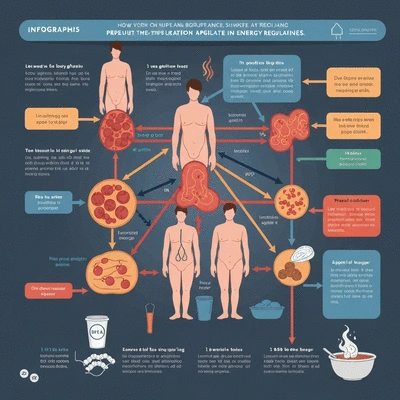
Fasting and Hormonal Regulation: Key Mechanisms & Impact
This visual summarizes the crucial roles of key hormones in appetite and metabolism, highlighting how fasting influences them for weight management. For a deeper dive into how fasting impacts your body's systems, explore our article on intermittent fasting and metabolism insights.
Appetite Hormones
Ghrelin: "Hunger hormone," levels initially rise then normalize with fasting.
Leptin: "Satiety hormone," increases post-meal, aids fullness.
GLP-1: Enhances insulin, promotes fullness.
PYY: Slows gastric emptying, reduces appetite.
These orchestrate hunger & satiety signals.
Fasting's Impact
Fat Oxidation: Body shifts to using stored fat for energy.
Hormone Normalization: Ghrelin levels adapt, hunger becomes more manageable.
Metabolic Health: Overall enhancement of metabolic function.
Fasting optimizes energy use and cravings.
Understanding the Connection Between Fasting and Appetite Hormones
Fasting has gained significant attention over the years, and for good reason! It's not just a trendy diet; it's a strategy for managing your weight and improving metabolic health. But what exactly is fasting? At Fasted Intelligence, we define it as periods of voluntary abstinence from food, enabling the body to adapt and utilize energy more efficiently. Understanding the nuances of fasting can help you harness its benefits effectively.
There are various types of fasting, primarily categorized into intermittent and prolonged fasting. Intermittent fasting involves cycling between eating and fasting periods throughout the day or week, while prolonged fasting usually spans 24 hours or more. Each type can impact your body differently, so let’s explore these concepts further.
Defining Fasting and Its Types
Exploring Intermittent vs. Prolonged Fasting
Intermittent fasting has become a popular approach for many individuals seeking weight loss and health benefits. It typically involves patterns like the 16/8 method, where you fast for 16 hours and eat during an 8-hour window. On the other hand, prolonged fasting often requires a more significant commitment, where individuals may refrain from eating for 24 to 72 hours. Each method has its unique advantages, and the choice largely depends on personal goals and lifestyle.
Let’s look at some key points of comparison:
Intermittent Fasting: Flexible and easier to incorporate into daily life.
Prolonged Fasting: Often leads to deeper metabolic changes but may require more preparation.
Health Benefits: Both approaches have been shown to enhance fat burning and improve metabolic health.
Understanding these different approaches can empower you to choose what aligns best with your lifestyle while providing the desired results.
Key Mechanisms of Fasting on the Body
Fasting triggers several physiological responses that can significantly affect your appetite and metabolism. During fasting, your body shifts from relying on glucose for energy to utilizing stored fat, promoting fat oxidation. This transition can lead to a reduction in hunger hormones, making it easier to manage cravings. For more information on how fasting impacts insulin, check out our article on fasting's impact on insulin sensitivity.
Moreover, fasting enhances insulin sensitivity, which is crucial for maintaining balanced blood sugar levels. This hormonal shift can help you feel more stable and less prone to blood sugar spikes and drops. Understanding these mechanisms is vital for harnessing the full potential of fasting.
The Role of Appetite Hormones in Weight Regulation
Appetite hormones play a critical role in managing hunger and satiety, which are essential for successful weight regulation. Two of the most influential hormones are ghrelin, known as the "hunger hormone," and leptin, often referred to as the "satiety hormone." Their interplay is crucial for maintaining a healthy weight.
When you fast, levels of ghrelin may initially rise, signaling hunger. However, as your body adapts to fasting, ghrelin levels tend to normalize, making it easier to manage your appetite. Conversely, leptin levels, which indicate fullness, tend to increase following a meal, helping you resist the temptation to snack unnecessarily.
How Ghrelin and Leptin Influence Hunger and Satiety
Ghrelin and leptin are vital players in the weight management game. Ghrelin, produced in the stomach, increases when you're hungry and decreases after eating. Leptin, on the other hand, is secreted by fat cells and helps signal your brain to reduce appetite. An imbalance in these hormones can lead to overeating or difficulty losing weight.
By understanding how fasting affects these hormones, you can develop strategies to optimize your fasting experience and promote better weight management.
The Impact of GLP-1 and PYY on Metabolism
In addition to ghrelin and leptin, other hormones like GLP-1 (Glucagon-Like Peptide-1) and PYY (Peptide YY) play significant roles in appetite regulation. GLP-1 enhances insulin secretion and promotes feelings of fullness after meals, while PYY is released in response to food intake, helping to slow gastric emptying and reduce appetite.
Fasting has been shown to increase the sensitivity of these hormones, aiding in metabolic function and appetite control. Recognizing the importance of these hormones can help you appreciate the intricate balance involved in weight management.
Understanding the Role of Insulin in Blood Sugar Regulation
Insulin, a hormone produced by the pancreas, regulates blood sugar levels by facilitating the uptake of glucose into cells. During fasting, insulin levels drop, allowing your body to start using fat as a primary energy source. This shift not only supports weight loss but also leads to improved metabolic health.
By enhancing your understanding of insulin's role, you can better appreciate how fasting can regulate blood sugar levels and contribute to overall well-being. It's all about finding that sweet spot where your body operates at peak efficiency!
Pro Tip
To enhance your fasting experience, consider keeping a journal to track your hunger cues and hormonal changes. Noting how you feel during different fasting windows can help you identify the most effective approach for your body, making it easier to manage cravings and maintain a balanced lifestyle.
Frequently Asked Questions About Fasting and Hormonal Regulation
What are the main hormones affected by fasting?
Fasting primarily impacts ghrelin (the hunger hormone), leptin (the satiety hormone), GLP-1, PYY, and insulin. These hormones collectively regulate appetite, blood sugar, and fat metabolism.
How does fasting help with weight management?
Fasting aids weight management by shifting the body's energy source from glucose to stored fat, promoting fat oxidation. It also improves insulin sensitivity and helps normalize appetite-regulating hormones, reducing cravings and promoting satiety.
What is the difference between intermittent and prolonged fasting?
Intermittent fasting involves cycling between eating and fasting periods within a day or week (e.g., 16/8 method). Prolonged fasting typically means abstaining from food for 24 hours or more. Each has unique benefits, with prolonged fasting often leading to deeper metabolic changes.
Can fasting improve insulin sensitivity?
Yes, fasting has been shown to significantly enhance insulin sensitivity. When you fast, insulin levels drop, allowing your body to become more responsive to insulin, which is crucial for effective blood sugar regulation and metabolic health.
How can I manage hunger during fasting?
While ghrelin levels may initially rise, the body typically adapts, and hunger becomes more manageable. Staying hydrated, consuming black coffee or tea, and focusing on nutrient-dense foods during eating windows can help manage cravings. Keeping a journal to track hunger cues can also help you understand your body's unique responses.
Summarizing Insights on Fasting and Hormonal Regulation
As we wrap up our discussion on fasting and its profound effects on hormonal regulation, it’s important to highlight a few key insights. Understanding how fasting interacts with your appetite hormones is essential for anyone looking to achieve lasting weight management success. The balance of these hormones can significantly influence your hunger cues and overall metabolic health.
At Fasted Intelligence, I believe that recognizing this connection can empower you to make informed decisions about your fasting journey. Here are some critical takeaways:
Fasting impacts key hormones: Ghrelin, leptin, and others play pivotal roles in hunger and satiety.
Understanding your body's responses: Individual hormonal reactions can vary significantly, highlighting the need for personalized approaches.
Long-term commitment matters: Sustainable weight loss is often about lifestyle changes, not just temporary diets.
Key Takeaways on Fasting, Appetite Hormones, and Weight Maintenance
Recognizing that hormonal balance is integral to your success in weight management can’t be overstated. When you engage in fasting, you not only alter your eating pattern but also reshape how your body signals hunger and fullness. This is why understanding the balance of hormones like ghrelin and leptin is crucial.
Moreover, committing to lifestyle changes such as improved diet quality and regular physical activity enhances your ability to maintain weight loss over time. These changes support your body’s hormonal environment, making it easier to manage weight sustainably.
Understanding the Balance of Hormones is Essential for Success
To achieve effective weight management, it’s vital to realize that hormones are not just numbers or abstract concepts; they are your body’s communicators. Achieving a balance between hormones like leptin and ghrelin can help you feel satisfied after meals, minimizing the urge to overeat.
In practical terms, this means focusing on foods that help regulate these hormones, such as whole grains, lean proteins, and plenty of fruits and vegetables. Here’s a quick list of foods to consider incorporating into your meals:
High-fiber foods (e.g., oats, beans, and lentils)
Protein-rich options (e.g., chicken, fish, and tofu)
Healthy fats (e.g., avocados, nuts, and olive oil)
Commitment to Lifestyle Changes Enhances Long-Term Results
It's essential to stay committed to your lifestyle changes. Fasting is a tool, but it works best when paired with a comprehensive strategy for wellness. This includes regular exercise, mindfulness practices, and adequate sleep, all of which can positively influence your hormonal balance. For further reading on how different eating patterns affect weight, consider our article comparing fasting or calorie counting for weight loss.
The journey toward better health through fasting is ongoing, and it requires dedication. I often remind my community that progress is a marathon, not a sprint, and embracing this mindset can help you maintain motivation over the long term.
Exploring the Health Benefits of a Balanced Hormonal Environment
A well-regulated hormonal environment can lead to numerous health benefits beyond just weight management. Improved energy levels, better mood regulation, and enhanced metabolic health are just a few of the perks you may experience. By focusing on balancing your hormones through fasting and appropriate lifestyle adjustments, you’re not just aiming for weight loss; you’re paving the way for a healthier, more vibrant life.
Call to Action: Your Journey Towards Effective Weight Management
As you consider the insights shared here, think about how integrating fasting might fit into your own lifestyle. I invite you to explore the potential benefits, whether you’re a newcomer to fasting or looking to deepen your practice. Remember, it’s about finding what works best for you!
Consider Integrating Fasting into Your Lifestyle for Better Results
Start small! You might try a 12-hour fasting window and gradually increase it as your body adjusts. This incremental approach is a great way to see how fasting affects you personally. Your journey is unique, and tuning into your body's signals is key.
Join a Community or Seek Support for Sustainable Change
Lastly, don’t underestimate the power of community! Engaging with others who share similar health goals can provide support, motivation, and accountability. Whether it’s through online forums, local groups, or coaching, surrounding yourself with positivity can make all the difference. At Fasted Intelligence, we’re here to support you every step of the way!
Recap of Key Points
Here is a quick recap of the important points discussed in the article:
Fasting Types: Understand the differences between intermittent fasting and prolonged fasting to choose the best approach for your lifestyle.
Hormonal Impact: Recognize how fasting affects key appetite hormones like ghrelin and leptin, which are crucial for managing hunger and satiety.
Metabolic Benefits: Fasting can enhance insulin sensitivity and promote fat utilization, aiding in weight management and metabolic health.
Long-term Commitment: Sustainable weight loss often requires lifestyle changes beyond fasting, such as improved diet quality and regular exercise.
Community Support: Engaging with a supportive community can provide motivation and accountability on your fasting journey.
Jordan Sinclair: Empowering Your Fasting Journey
Jordan Sinclair is a passionate health and wellness advocate dedicated to evidence-based practices in weight management and fasting. With a solid background in nutritional science and health coaching, Jordan excels at translating complex research into clear, actionable insights. Through Fasted Intelligence, he empowers adults on their journey toward sustainable weight loss and improved metabolic health, providing research-backed guidance that cuts through the noise and focuses on what truly works.
Popular Posts
Micronutrients in Regular Fasting
As you embark on your fasting journey, understanding the role of micronutrients can be the key to en
Collagen and Bone Broth Benefits
Many people often overlook the power of bone broth during fasting, but its nutrient-rich profile can
Fasted Intelligence is your evidence-driven authority for sustainable weight loss through fasting and metabolic science. We empower adults with clear, research-backed guidance to optimize health and achieve lasting results.
Start your fasting journey with a 12-hour window, like 7 PM to 7 AM. This gentle introduction helps your body adapt without feeling deprived!
Hydration is key during fasting! Drink plenty of water, black coffee, or unsweetened tea to support metabolic function and reduce hunger.
Focus on nutrient-dense foods during your eating window. Prioritize lean proteins, healthy fats, and fiber-rich vegetables to fuel your body.
Listen to your body. Fasting protocols aren't one-size-fits-all. Adjust your schedule based on how you feel and your individual metabolic response.
Break your fast gently. Opt for easily digestible foods first to avoid overwhelming your digestive system, like a small salad or bone broth.
Incorporate light exercise during your fasting window. Walking or yoga can enhance fat burning and metabolic flexibility without excess strain.
Manage stress effectively. High stress levels can impact hormones like cortisol, which might hinder your fasting progress and metabolic health.
Prioritize quality sleep. Adequate sleep is crucial for hormone regulation and metabolic recovery, making your fasting efforts more effective.
Track your progress beyond just weight. Notice improvements in energy, mental clarity, and digestion as indicators of better metabolic health.
Consider your electrolyte intake, especially during longer fasts. Replenishing sodium, potassium, and magnesium can prevent fatigue.
Educate yourself on the science. Understanding *why* fasting works can strengthen your commitment and help you make informed choices.
Avoid the 'feast-or-famine' mindset. Fasting is about metabolic regulation, not extreme restriction. Balance is key for sustainable results.
Consult with a healthcare professional before starting any new fasting regimen, especially if you have underlying health conditions or are on medication.
Be patient and consistent. Sustainable weight loss and metabolic health improvements take time and dedication. Celebrate small victories!
Include a clear call-to-action in every post. This boosts engagement and guides readers to take the next step towards mastering their fasting journey!