
Resetting Leptin Resistance with Fasting

Leptin Resistance Explained: Reset It with Fasting Protocols

What if the key to successful weight management lies in understanding a hormone produced by your fat cells? Leptin, known as the "satiety hormone," plays a crucial role in regulating your appetite and energy balance. Understanding leptin resistance could change your weight loss journey forever.

What You Will Learn

  • Leptin is a hormone that regulates appetite and energy expenditure, crucial for maintaining a healthy weight.
  • Leptin resistance occurs when your body stops responding to leptin signals, leading to increased hunger and weight gain.
  • Diet high in sugars and unhealthy fats, along with factors like poor sleep and chronic stress, can contribute to leptin resistance.
  • Fasting may help reset leptin levels, offering benefits such as weight loss and improved metabolic health.
  • Individual factors like age, gender, and activity level influence how effectively fasting can reset leptin resistance.
  • Caloric restriction impacts leptin function; while it can enhance sensitivity, it needs to be approached mindfully to avoid negative health effects.

Leptin Resistance: Impact Factors & Fasting Strategy Insights

This visual highlights the key factors contributing to leptin resistance and evaluates fasting as a strategy for its management, presenting both benefits and risks.

Leptin's Key Role

  • Regulates appetite & energy expenditure
  • Influences metabolism & body weight
  • Levels affected by fat, diet, lifestyle

The "satiety hormone" signals brain about stored energy, crucial for healthy weight.

Leptin Resistance Mechanisms

  • High sugar/processed foods impair sensitivity
  • Chronic stress causes hormonal imbalances
  • Poor sleep disrupts brain signals

Brain ignores leptin signals, leading to increased hunger and weight gain.

Fasting Benefits for Leptin

  • Promotes significant weight loss
  • Improves metabolic health & fat utilization
  • Reduces appetite & cravings

Can enhance leptin sensitivity and help the body reset its hunger signals.

Fasting Risks & Variability

  • Potential nutrient deficiencies
  • Hormonal imbalances if mismanaged
  • Outcomes vary by age, gender, activity

Not one-size-fits-all; requires careful planning and individual assessment.

Understanding Leptin Resistance: What It Is and Why It Matters

Leptin resistance is a term that’s been buzzing around in health circles, and it's vital to understand what it means and why it’s crucial for your weight management journey. In simple terms, leptin is a hormone produced by fat cells that plays a key role in regulating your energy balance and appetite. Think of it as your body’s way of signaling that it’s time to stop eating. When everything is working correctly, leptin sends signals to your brain about how much fat is stored, helping to maintain a healthy weight. For more on optimizing your diet, check out our insights on Fasting vs. Calorie Counting for Weight Loss.

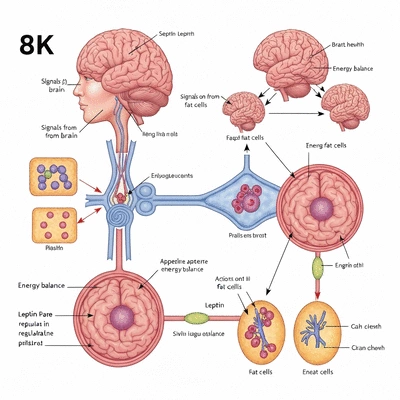
Scientific illustration of leptin hormone regulating appetite and energy balance

However, when you experience leptin resistance, your body no longer responds effectively to this hormone. This can lead to increased hunger, decreased energy expenditure, and ultimately, weight gain. Understanding leptin resistance is essential because it directly impacts your ability to achieve sustainable weight loss. At Fasted Intelligence, our goal is to demystify these concepts so you can make informed decisions on your health journey!

Defining Leptin and Its Role in Energy Regulation

Leptin is often referred to as the "satiety hormone." It is released by your fat cells and informs your brain about how much energy you have stored. When your body has sufficient energy, leptin levels rise, signaling that it’s time to stop eating. Conversely, when you’re low on energy reserves, leptin levels drop, which can trigger hunger. This balance is crucial for maintaining your body weight and overall health.

  • Leptin helps regulate appetite and energy expenditure.
  • It plays a significant role in metabolism and body weight regulation.
  • Leptin levels are influenced by body fat, diet, and lifestyle choices.

When you begin to understand how leptin functions, it becomes easier to appreciate the importance of maintaining healthy leptin levels. As I dive deeper into this topic, you’ll see how various factors can disrupt this delicate balance, leading to leptin resistance.

The Mechanism of Leptin Resistance: How Diet and Lifestyle Impact Sensitivity

Leptin resistance occurs when your brain no longer responds to leptin's signals effectively. This can happen for several reasons, primarily influenced by your diet and lifestyle choices. For instance, consuming a diet high in sugars and unhealthy fats can lead to chronic inflammation, which is known to impair leptin signaling. Additionally, lack of sleep and high-stress levels can exacerbate this problem. To learn more about how dietary choices impact your metabolic health, consider our article on Intermittent Fasting and Insulin Sensitivity.

  • Dietary choices, such as high sugar and processed foods, can impair leptin sensitivity.
  • Chronic stress leads to hormonal imbalances affecting leptin function.
  • Poor sleep quality can disrupt the hormonal signals between leptin and your brain.

Understanding these mechanisms helps you take actionable steps towards improving your leptin sensitivity. By making conscious dietary choices, managing stress, and prioritizing sleep, you pave the way for better hormonal balance and improved health outcomes.

Evaluating Fasting as a Strategy to Reset Leptin Resistance

When it comes to tackling leptin resistance, fasting is gaining traction as a potential strategy. The key lies in understanding both the risks and benefits it presents. So, let’s dive deeper into how fasting can play a role in resetting your leptin levels.

Person looking at healthy food options, representing fasting as a strategy for leptin reset

Fasting can offer a range of benefits, especially for those struggling with weight management. However, it's essential to consider potential risks as well. Here are a few points to keep in mind:

  • Weight Loss: Many individuals experience significant weight loss during fasting periods, which can help improve leptin sensitivity.
  • Improved Metabolic Health: Fasting may reduce insulin levels, enhancing your body's ability to utilize fat for energy.
  • Potential Nutrient Deficiencies: If not planned properly, fasting can lead to inadequate nutrient intake.
  • Physical and Mental Fatigue: Some people may experience fatigue when starting a fasting regimen, especially in the early days.

Ultimately, understanding these factors can empower you to make informed decisions about incorporating fasting into your lifestyle.

Potential Risks and Benefits of Fasting for Weight Loss

As a health and wellness advocate, I always emphasize the importance of recognizing that fasting isn’t one-size-fits-all. While intermittent fasting can yield impressive results for some, it can also present challenges. It’s crucial to weigh both the benefits and risks to determine if it's the right approach for you. Here are some benefits and risks to consider:

  • Benefits:
    • Enhanced fat loss due to improved metabolic rate
    • Reduced appetite and cravings
    • Promotes cellular repair processes
  • Risks:
    • Hormonal imbalances if fasting is prolonged or mismanaged
    • Disordered eating patterns may emerge
    • Potential negative impact on social meal occasions

By understanding both sides, you can make better choices regarding your fasting experience!

Understanding Individual Variability in Fasting Outcomes

Not everyone responds to fasting in the same way. Factors like age, gender, activity level, and even genetics can influence how effectively fasting resets leptin resistance. For instance, some might find that the 16/8 method works wonders, while others may need a different approach altogether. Here are some individual factors to consider: If you're interested in alternative approaches, explore Alternate Day vs. 5:2 Fasting for more options.

  • Age: Metabolism and hormonal responses can vary significantly with age.
  • Gender: Women often experience different hormonal fluctuations that can affect fasting results.
  • Activity Level: More active individuals might adapt to fasting more easily than sedentary ones.

Understanding these individual differences can help you tailor your fasting strategy more effectively.

Assessing the Impact of Caloric Restriction on Leptin Function

Caloric restriction plays a significant role in how leptin functions within the body. When you reduce your caloric intake through methods like intermittent fasting, your body undergoes physiological changes that can enhance leptin sensitivity. However, it’s essential to approach caloric restriction mindfully. Here are some impacts to consider:

  • Reduced leptin levels during caloric restriction can signal the body to burn fat for fuel.
  • However, prolonged caloric restriction may lead to decreased metabolic rate over time.
  • Finding a balance is crucial for maintaining optimal leptin function and overall health.

It's always a good idea to listen to your body and adjust your approach as needed. At Fasted Intelligence, we're here to support you in your journey toward sustainable health.

Frequently Asked Questions (FAQs)

What is leptin and what is its role?
Leptin is a hormone produced by fat cells, often called the "satiety hormone." It regulates appetite and energy balance by signaling to the brain about stored energy, helping to maintain a healthy weight.
What is leptin resistance?
Leptin resistance occurs when your brain no longer responds effectively to leptin's signals. This can lead to increased hunger, decreased energy expenditure, and ultimately, weight gain because the body doesn't receive the "full" signal.
What factors contribute to leptin resistance?
Key factors include a diet high in sugars and unhealthy fats, chronic inflammation, poor sleep quality, and high-stress levels. These can all impair leptin signaling and disrupt hormonal balance.
How can fasting help with leptin resistance?
Fasting can help reset leptin levels by promoting weight loss, improving metabolic health (e.g., reducing insulin levels), and enhancing the body's ability to utilize fat for energy. This can lead to increased leptin sensitivity.
Are there risks associated with using fasting to address leptin resistance?
Yes, potential risks include nutrient deficiencies if not properly managed, hormonal imbalances if fasting is prolonged or mismanaged, and the emergence of disordered eating patterns. It's crucial to plan fasting carefully and consider individual health factors.
Does everyone respond to fasting for leptin resistance in the same way?
No, individual responses to fasting vary significantly. Factors such as age, gender, activity level, and genetics can all influence how effectively fasting resets leptin resistance, meaning a "one-size-fits-all" approach is not suitable.

Recap of Key Points

Here is a quick recap of the important points discussed in the article:

  • Leptin is a hormone that regulates appetite and energy balance, crucial for maintaining a healthy weight.
  • Leptin resistance occurs when the brain fails to respond to leptin signals, leading to increased hunger and potential weight gain.
  • Diet, lifestyle factors like stress and sleep quality, and caloric restriction can significantly impact leptin sensitivity.
  • Fasting may help reset leptin levels and improve metabolic health, though it’s essential to consider individual variability and potential risks.
  • Finding an appropriate fasting method tailored to individual needs can enhance weight management efforts.
About !author

Jordan Sinclair: Empowering Your Fasting Journey

Jordan Sinclair is a passionate health and wellness advocate dedicated to evidence-based practices in weight management and fasting. With a solid background in nutritional science and health coaching, Jordan excels at translating complex research into clear, actionable insights. Through Fasted Intelligence, he empowers adults on their journey toward sustainable weight loss and improved metabolic health, providing research-backed guidance that cuts through the noise and focuses on what truly works.

Popular Posts

Keto Fasting: Mastering Fat Adaptation Fat Adaptation on Keto Fasting: Nutritional Strategies for Success What if I told you that shifting your body’s energy source could unlock a new level of health and
Testosterone's Role in Metabolic Health Testosterone Benefits for Metabolic Health in Both Sexes What if the key to optimizing your metabolic health lies in a hormone you might not be giving enough
Balancing Hormones for Fertility and Fat Metabolic Hormones for Women: Balance Fertility and Fat Loss What if the key to unlocking your fertility lies in understanding your hormones? With metabolic horm
Understanding Extended Fasting Safety Extended Fasting (48–120+ hours): Physiology, Safety Signals, and Who Should Avoid It Have you ever considered taking a leap into the world of extended fasting? This practice, lasting fr