Re-introducing Foods Post-Fast: The Process
After fasting, your body activates cellular repair and shifts to fat burning. Refeeding correctly prevents digestive discomfort and blood sugar spikes, ensuring a smooth transition back to eating.
Have you ever considered the profound impact that the way you break your fast can have on your health? The choices made during this crucial moment can either enhance your well-being or impede your progress. Let's explore the essential components of effective refeeding after fasting.
Understanding how to properly break your fast is crucial for maximizing benefits and maintaining metabolic health. This visual outlines key food categories and their roles in a successful refeeding process. For a deeper dive into how fasting impacts your body, consider reading our article on intermittent fasting and metabolism insights.
After fasting, your body activates cellular repair and shifts to fat burning. Refeeding correctly prevents digestive discomfort and blood sugar spikes, ensuring a smooth transition back to eating.
Start with foods that are easy on your digestive system.
Support your microbiome for optimal nutrient absorption.
Replenish energy stores and support muscle tissues.
Provide sustained energy and aid digestion.
Listen to your body, track responses, and adjust food choices and timing based on individual needs for optimal health benefits.
Breaking your fast effectively is a crucial step in any fasting protocol. Many often underestimate the impact that post-fast nutrition can have on their overall health and metabolic response. When you finally end your fasting period, your body is primed for nourishment, and the choices you make can either enhance or hinder your progress in sustainable weight loss.
During fasting, your body undergoes various physiological changes, which set the stage for how you should reintroduce food. It's essential to understand these changes to optimize your post-fast meals and ensure a smooth transition back to eating.
Throughout your fasting period, your body begins to adapt to the lack of food intake. Initially, it uses glucose stored in the liver and muscles for energy. However, as fasting continues, your body shifts to burning fat for fuel, a process called ketosis. This metabolic switch enhances fat oxidation, which is a significant benefit for weight management.
Understanding what happens during fasting helps you appreciate the importance of how you break your fast. With the right approach, you can maximize your metabolic state and continue benefiting from your fasting efforts.
Choosing the right foods when refeeding after a fast is critical. The wrong foods can lead to digestive discomfort and may spike your blood sugar levels, which can set back your progress. At Fasted Intelligence, we emphasize the importance of nutrient-dense foods that will support your body as it transitions back to regular eating. This is particularly important for managing blood sugar and insulin levels, topics further explored in our article on intermittent fasting and insulin sensitivity.
By carefully selecting your first meals, you can help your body recover and maintain the benefits gained during your fasting period. This thoughtful approach can improve your energy levels and support your overall health goals.
When it comes to breaking your fast, the right foods play a vital role in how effectively you can transition back to eating. Let’s explore some of the best options that can support your body during this crucial phase.
Starting with gentle foods can help ease your body back into digestion after a fasting period. Consider incorporating the following:
Bone broth is a fantastic choice to break your fast. It's hydrating and filled with electrolytes, which are essential after fasting. The warm, nutrient-rich broth provides an easily digestible source of nutrients that can support your gut health.
Steamed low-starch vegetables, like zucchini or spinach, are also excellent options. They’re packed with vitamins and minerals, yet gentle on the digestive system. Plus, they help replenish micronutrients lost during fasting.
Fermented foods are incredible allies for your gut health, especially after fasting.
Greek yogurt and kefir are rich in probiotics, which promote a healthy gut microbiome. They can aid digestion and enhance nutrient absorption, making them ideal choices to reintroduce into your diet.
These probiotics not only help balance your gut flora but also support the breakdown of food, alleviating any discomfort you might feel after fasting. Incorporating these foods can significantly enhance your recovery.
Including healthy fats and lean proteins is crucial for supporting energy levels post-fast. Here are some great options:
Avocados and nuts are packed with healthy fats that provide sustained energy. They’re also rich in fiber, which can help keep you feeling full longer.
Lean proteins like eggs, fish, and chicken are excellent for muscle repair and recovery. They help rebuild tissues and maintain your metabolism, especially after a fast.
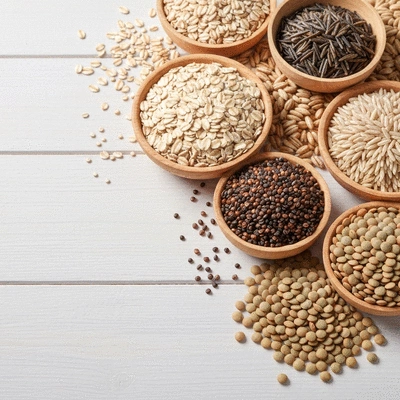
Whole grains offer a fantastic source of complex carbohydrates, which are essential for replenishing your energy levels.
Oatmeal and quinoa are great grains that provide lasting energy. They’re also high in fiber, which can aid digestion and help you feel satisfied.
Lentils and wild rice are other nutritious options that can enhance your meals post-fast. They’re packed with protein and fiber, providing a fantastic balance of nutrients to support your body’s recovery.
To enhance your post-fast recovery, consider keeping a food diary. Tracking your meals and how your body responds can help you identify which foods promote energy and well-being, allowing you to tailor your nutrition strategy for optimal results.
The most important thing is to start with gentle, easily digestible, and nutrient-dense foods. This prevents digestive discomfort and blood sugar spikes, ensuring a smooth transition and maximizing the benefits of your fast.
After a fast, your digestive system is sensitive. Gentle foods like bone broth and steamed low-starch vegetables are easy to process, preventing bloating, indigestion, and other discomforts while providing essential nutrients.
Fermented foods like Greek yogurt and kefir are rich in probiotics, which help restore and balance your gut microbiome. A healthy gut is crucial for optimal digestion and nutrient absorption post-fast.
Yes, it's important to be mindful of blood sugar spikes. Opt for nutrient-dense foods, control portion sizes, and avoid highly processed or sugary foods immediately after a fast to maintain stable blood sugar levels.
Listen to your body's cues, track how different foods make you feel, and adjust your choices and timing based on your individual needs, age, activity level, and overall health. A food diary can be very helpful.
Breaking your fast is not just about eating; it’s a pivotal moment in your nutrition journey. To ensure you’re getting the most out of your refeeding period, consider customizing your approach based on your individual needs. Each person’s body reacts differently after fasting, which makes it important to listen to your own cues. At Fasted Intelligence, we believe that understanding your body is key to achieving sustainable health.
Make sure to focus on nutrient-dense foods that support your overall health. Here are some key takeaways to keep in mind:
Individualizing your post-fast nutrition is crucial for maximizing the benefits of fasting. What works for one person may not work for another, and that’s completely normal! It's about finding the right balance that makes you feel best. Remember, your body has unique nutritional requirements based on factors like age, activity level, and overall health.
By focusing on your body’s responses, you can tailor your post-fast meals to support your health goals. Here are some personalized strategies to consider:
It’s essential to reflect on how your body reacts after fasting. Are you feeling energized or sluggish? Is your digestion smooth, or are you experiencing discomfort? These questions can help you adapt your refeeding strategy for optimal health. Keeping a food diary can be a helpful tool to track your responses and adjustments. For more insights on balancing different dietary approaches, you might find our article on the fasting or counting weight loss debate beneficial.
As you experiment with different foods and timing, pay attention to your energy levels and overall well-being. Here are some reflections to consider:
After grasping the key takeaways for refeeding, the next steps involve making informed choices about your overall nutrition. Remember, your journey is unique, and the right choices will empower you on this path!
As you continue your health journey, consider integrating more evidence-based foods into your meals. Research shows that nutrient-dense options not only support recovery but also enhance overall metabolic health. Focus on whole foods that provide essential nutrients and energy.
Staying connected with a community can amplify your success. At Fasted Intelligence, we’re committed to fostering a supportive environment where you can share experiences and learn from others. Engaging with like-minded individuals can offer motivation and accountability.
Here are some ways to dive into community support:
Nutritious smoothies can be a fantastic way to break your fast. They’re easy to digest, packed with vitamins, and can be customized to fit your taste preferences! Think of smoothies as a convenient way to combine multiple nutrient-dense foods in one meal. For those interested in structured fasting, learning about understanding 16/8 intermittent fasting can also provide valuable context for meal timing.
Here’s a simple smoothie recipe to get you started:
Blend until smooth and enjoy the refreshing energy boost! By incorporating smoothies into your post-fast routine, you’re setting yourself up for success.
Here is a quick recap of the important points discussed in the article:
Jordan Sinclair is a passionate health and wellness advocate dedicated to evidence-based practices in weight management and fasting. With a solid background in nutritional science and health coaching, Jordan excels at translating complex research into clear, actionable insights. Through Fasted Intelligence, he empowers adults on their journey toward sustainable weight loss and improved metabolic health, providing research-backed guidance that cuts through the noise and focuses on what truly works.