Metabolic Flexibility: The Body's Fuel Switch
Ability to switch between carbs and fats as fuel. Crucial for energy, weight management, and hormonal balance.
Research indicates that breakfast consumption is more than just tradition—it's a cornerstone of metabolic health. Skipping this crucial meal can lead to significant health risks. Let's uncover the vital lessons that can shape your approach to nutrition and wellness.
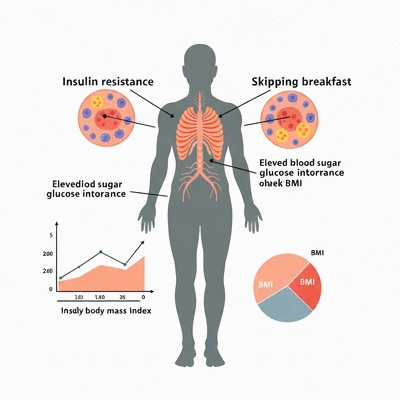
This visual summarizes the key impacts of breakfast skipping on metabolic flexibility and health, highlighting critical findings on insulin resistance, BMI, and the benefits of regular breakfast consumption.
When we talk about breakfast skipping, it’s essential to explore its connection to metabolic flexibility. At Fasted Intelligence, we believe understanding this link can empower your weight management journey. So, let’s dive into what metabolic flexibility actually means and why it matters for your health!
Metabolic flexibility refers to the body's ability to switch between using carbohydrates and fats as fuel based on availability and demand. Think of it like a smart engine that adapts to different types of fuel efficiently! When you consume a meal, your body typically relies on carbohydrates for quick energy. However, during fasting or between meals, it shifts to burning fat. This adaptability is crucial for maintaining energy levels and overall health. For an in-depth look at how various fasting protocols can impact your metabolism, read our article on intermittent fasting and metabolism insights.
Having good metabolic flexibility means your body can respond effectively to various metabolic demands, which is vital for weight management, hormonal balance, and overall well-being. Research suggests that individuals with higher metabolic flexibility may experience better fat oxidation and improved insulin sensitivity. This adaptability not only aids in weight loss but also protects against metabolic disorders. So, it’s clear: enhancing your metabolic flexibility should be a priority!
Skipping breakfast can have profound effects on your metabolism. Studies have shown that individuals who regularly miss breakfast may face an increased risk of developing metabolic syndrome. This cluster of conditions—such as increased blood pressure, high blood sugar, and excess body fat around the waist—can significantly impact your long-term health.
These findings highlight the importance of including breakfast in your daily routine, especially if you're aiming for sustainable weight loss and better metabolic health.
Breakfast plays a vital role in regulating insulin sensitivity and managing blood sugar levels throughout the day. Skipping it can lead to fluctuations in glucose levels, which may increase cravings and lead to overeating later on. By breaking your fast with a balanced meal, you can help stabilize blood sugar and improve your overall metabolic response. So remember, a healthy breakfast isn’t just a meal; it’s a foundation for the day! Understanding the nuances of intermittent fasting and insulin sensitivity can further elucidate how meal timing impacts your body's glucose regulation.
What do you think about the role of breakfast in your daily routine? Share your thoughts below:
Metabolic flexibility is your body's ability to efficiently switch between burning carbohydrates and fats for energy, depending on their availability. It's crucial for maintaining stable energy levels, managing weight, and overall health.
Skipping breakfast can increase the risk of metabolic syndrome, lead to higher BMI, increased insulin resistance, and cause fluctuations in blood sugar levels, which can result in increased cravings and cardiovascular risks.
Regular breakfast consumption activates metabolic processes, improves glucose control and insulin sensitivity, regulates hunger hormones like ghrelin and leptin, enhances calorie burn, and provides sustained energy throughout the day.
Eating breakfast helps regulate insulin sensitivity and blood sugar levels. Skipping it can lead to erratic glucose fluctuations, while a balanced breakfast helps stabilize blood sugar and improves the body's response to insulin.
To establish a healthy breakfast routine, try setting a regular time, preparing nutrient-dense meals the night before, and balancing protein, healthy fats, and complex carbohydrates. Listening to your body's needs is also important.
As a health and wellness advocate, I often hear people debate the importance of breakfast. Many see it as just another meal, while others are adamant that it's the most crucial meal of the day. So, what’s the real scoop? Let's dive into how a regular breakfast can significantly support our metabolic health and overall wellness!
Starting your day with a nutritious breakfast can be a game-changer. It’s not just about filling your stomach; it’s about activating your metabolism and setting the tone for the rest of the day. When you eat breakfast, you kickstart your metabolic processes, helping your body transition smoothly from fasting to feeding mode.
Eating breakfast has been shown to activate metabolic processes, which helps burn more calories throughout the day. This activation is crucial for maintaining energy levels and supporting weight management. Think of breakfast as the spark that lights the fire of your metabolism!
When we skip breakfast, we often miss out on vital nutrients that can fuel our bodies. A regular breakfast helps ensure we’re getting a balanced intake of macronutrients right from the start.
Research suggests that having breakfast can play a significant role in reducing inflammation and enhancing glucose control. Eating a healthy meal in the morning can stabilize blood sugar levels and reduce the risk of insulin resistance. This is critical for preventing metabolic syndrome and ensuring our bodies function optimally. For more insights on how dietary choices can impact inflammation, explore our article on omega-3s, fasting, and inflammation.
Regular breakfast eaters have been shown to have lower levels of inflammatory markers in their blood, contributing to better overall health. So, why not start your day on the right foot?
Breakfast also helps in regulating hormones that control hunger. The hormones ghrelin and leptin are essential for appetite regulation. Ghrelin signals hunger, while leptin signals fullness. Eating breakfast can help keep these hormones in balance, reducing cravings later in the day.
By prioritizing breakfast, you’re not only fueling your body but also helping to create a healthier relationship with food.
Implementing a breakfast routine doesn’t have to be complicated! Here are some simple tips to ensure you don’t skip this vital meal:
Consistency is key! Developing a routine can help solidify breakfast as a priority in your daily life.
Each of us is unique, and our meal timing should reflect our individual needs. Factors such as activity level, work schedule, and personal preferences play a role in when and what we eat. Listen to your body and find a breakfast schedule that works for you.
Remember, it's not just about having breakfast—it's about having the right breakfast that aligns with your lifestyle and health goals!
Designing a breakfast that fuels your body and mind is essential for optimal nutrition. Consider including:
By making mindful choices, you can create a breakfast that not only tastes good but also supports your health and wellness journey!
Here is a quick recap of the important points discussed in the article:
Jordan Sinclair is a passionate health and wellness advocate dedicated to evidence-based practices in weight management and fasting. With a solid background in nutritional science and health coaching, Jordan excels at translating complex research into clear, actionable insights. Through Fasted Intelligence, he empowers adults on their journey toward sustainable weight loss and improved metabolic health, providing research-backed guidance that cuts through the noise and focuses on what truly works.