What if you could tap into your body's natural energy systems to enhance performance and support weight loss? Understanding glycogen depletion may offer the key to unlocking this potential in your fasting journey.
What You Will Learn
Glycogen is the stored form of glucose, crucial for quick energy access, especially during fasting.
Depletion of glycogen triggers fat oxidation, aiding in sustainable weight loss and metabolic flexibility.
Nutritional strategies, such as carbohydrate intake and meal timing, significantly influence glycogen replenishment and performance.
Personalizing your fasting and nutritional approach can optimize energy levels and improve workout results.
The Metabolic Shift: Glycogen Depletion to Fat Oxidation
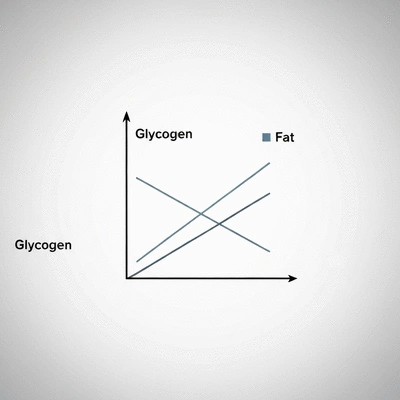
This visual illustrates the critical metabolic shifts occurring during fasting, specifically the transition from relying on glycogen stores to burning fat for fuel. This process is a cornerstone of intermittent fasting and metabolism insights, helping to explain how your body adapts to periods of reduced food intake.
Glycogen Depletion: The Initial Phase (0-24 hours)
The body primarily uses stored glycogen (from carbohydrates) as its immediate energy source. This phase is crucial for triggering the metabolic switch.
✓ Glucose is primary fuel
✓ Stores in liver & muscles
✓ Fuels high-intensity activity
Fat Oxidation: The Shift (12-24+ hours)
Once glycogen stores are depleted, the body switches to breaking down fat for energy. This process is key for sustainable weight loss and metabolic flexibility.
✓ Fat becomes primary fuel
✓ Enhances metabolic flexibility
✓ Sustains energy during fasting
Key Outcomes of Metabolic Shift
This transition is essential for sustainable weight loss, improved endurance, and enhanced overall metabolic health during fasting protocols.
Understanding Glycogen Depletion and Its Role in Fasting
As a health and wellness advocate at Fasted Intelligence, I often emphasize the significance of glycogen depletion during fasting. But what exactly is glycogen? Understanding this concept is crucial for anyone looking to optimize their fasting journey and achieve sustainable weight loss.
Glycogen is essentially the stored form of glucose, primarily found in the liver and muscles. It plays a vital role in energy metabolism by providing quick access to energy when your body needs it most. When glycogen stores are full, your body is primed for high-intensity activities and has the energy it requires for daily functions.
Defining Glycogen and Its Importance in Energy Metabolism
Glycogen serves as a key player in how our body manages energy. During periods of fasting, the depletion of glycogen sets off a cascade of metabolic processes. Here’s why glycogen is essential:
It fuels high-intensity workouts and quick bursts of energy.
It regulates blood sugar levels by releasing glucose when necessary.
It helps maintain stamina during prolonged exercise.
By understanding glycogen's role in energy metabolism, we can better appreciate how fasting impacts our overall health and performance. As glycogen stores dwindle, the body begins to look for alternative energy sources, which leads us to the next important topic. This shift is particularly relevant when considering topics such as fasting's impact on insulin sensitivity.
How Glycogen Depletion Initiates Fat Oxidation
When we fast, our glycogen stores become depleted, typically within 12 to 24 hours, depending on individual factors. As these stores drop, our bodies shift gears and initiate fat oxidation. This process is vital for anyone aiming to lose weight sustainably.
During fat oxidation, the body starts breaking down fat stores to meet its energy demands. This transition is not only beneficial for weight loss but also enhances metabolic flexibility, allowing your body to adapt to different fuel sources. The key here is patience; the switch from glycogen to fat as a primary energy source doesn't happen instantly.
The Connection Between Glycogen Stores and Performance Nutrition
The relationship between glycogen stores and performance nutrition is a topic I frequently discuss with my clients at Fasted Intelligence. Here's how they connect:
Proper intake of carbohydrates replenishes glycogen post-exercise.
Timing your meals around workouts optimizes glycogen storage.
Adequate hydration supports glycogen synthesis and utilization.
By understanding how to manage your glycogen levels through nutrition, you can enhance your fasting experience and performance. This knowledge allows for a more tailored approach to fasting and exercise, ultimately leading to more effective results in your weight loss journey.
Interactive Poll: Your Fasting Experience
We'd love to hear about your experiences with fasting! Which aspect of fasting do you find most challenging?
Frequently Asked Questions about Glycogen Depletion and Fasting
Q: What is glycogen and why is it important during fasting?
A: Glycogen is the stored form of glucose found primarily in the liver and muscles. It's crucial during fasting because it's your body's immediate energy reserve. As these stores deplete, your body shifts to burning fat for fuel, which is key for weight loss and metabolic flexibility.
Q: How long does it take for glycogen stores to deplete during fasting?
A: Glycogen stores typically deplete within 12 to 24 hours of fasting, though this can vary based on individual factors like activity level and initial glycogen reserves.
Q: What is fat oxidation and how does it relate to glycogen depletion?
A: Fat oxidation is the process where your body breaks down stored fat for energy. It begins once glycogen stores are significantly depleted. This metabolic shift is essential for sustainable weight loss and improving your body's ability to use different fuel sources.
Q: Can I influence glycogen levels through my diet?
A: Yes, your dietary carbohydrate intake directly influences glycogen levels. Consuming adequate carbohydrates, especially after exercise, helps replenish glycogen stores. Timing your meals around workouts can also optimize glycogen storage and utilization.
Q: How can I personalize my fasting protocol based on glycogen depletion?
A: Personalizing your protocol involves observing your body's responses to different fasting durations. If you experience fatigue during workouts while fasting, consider adjusting your fasting window, or incorporating strategic nutrition before or after exercise. Monitoring energy levels and adapting your approach will help you optimize results.
Key Takeaways on Glycogen Depletion and Fat Oxidation
Understanding how glycogen depletion influences your body can significantly enhance your performance and weight loss journey. When we fast, our bodies undergo a fascinating series of energy shifts, moving from using stored glycogen to burning fat for fuel. This knowledge isn't just theoretical; it provides a roadmap for making informed decisions about your nutrition and exercise during fasting. Let’s dive into some key takeaways!
Recognizing the timeframe of glycogen depletion can help you optimize your fasting protocols.
Understanding your body's energy sources enables you to tailor your exercise for maximum fat oxidation.
Adapting your nutritional strategies during fasting enhances overall metabolic efficiency.
As you navigate your fasting journey, it’s crucial to stay aware of these energy shifts. This awareness not only boosts your performance but also helps you achieve sustainable weight loss. Remember, we’re all different—what works for one person may not work for another. So, let’s personalize this journey together!
Understanding Your Body's Energy Shifts Can Enhance Performance
Every individual experiences different energy shifts during fasting. By understanding these shifts, you can optimize your training and nutrition. For instance, during the initial fasting phase, your body primarily uses glycogen. As you progress into longer fasting periods, the body shifts towards fat oxidation, which can lead to better weight management and endurance. This understanding is key to optimizing your training and nutrition, much like exploring carb cycling and intermittent fasting.
Pay attention to how your body feels at different fasting stages.
Track energy levels during workouts to identify optimal fasting windows.
Experiment with your own fasting and eating schedules to see what fuels your performance best.
By listening to your body and tracking these shifts, you can tailor a fasting protocol that not only supports your weight loss goals but also promotes improved energy and performance levels. This is where the science of fasting aligns with practical action!
Personalizing Your Fasting Protocol for Optimal Results
One of the most empowering aspects of fasting is the ability to personalize your approach. It's not a one-size-fits-all solution, and understanding your unique metabolic responses is key. For example, if you notice that you feel fatigued during workouts while fasting, it might be beneficial to adjust your fasting window or incorporate strategic nutrition before or after workouts.
Consider your daily schedule when planning your fasting and eating windows.
Incorporate higher carbohydrate intake post-fast if you engage in intense workouts.
Monitor your body’s signals and adjust as necessary for better results.
At Fasted Intelligence, our goal is to equip you with the knowledge to customize your fasting experience and find what truly works for you. Your journey is unique, and by tailoring your fasting protocol, you can achieve optimal results aligned with your personal health and fitness goals! This personalized approach is also critical when considering fasting, ketones, and brain health, ensuring that your fasting regimen supports overall well-being.
Recap of Key Points
Here is a quick recap of the important points discussed in the article:
Glycogen serves as stored glucose, crucial for energy metabolism during fasting.
Nutritional strategies, including carb intake timing, support glycogen replenishment and performance.
Personalizing your fasting protocol based on individual metabolic responses can enhance results.
Jordan Sinclair: Empowering Your Fasting Journey
Jordan Sinclair is a passionate health and wellness advocate dedicated to evidence-based practices in weight management and fasting. With a solid background in nutritional science and health coaching, Jordan excels at translating complex research into clear, actionable insights. Through Fasted Intelligence, he empowers adults on their journey toward sustainable weight loss and improved metabolic health, providing research-backed guidance that cuts through the noise and focuses on what truly works.
Popular Posts
Micronutrients in Regular Fasting
As you embark on your fasting journey, understanding the role of micronutrients can be the key to en
Collagen and Bone Broth Benefits
Many people often overlook the power of bone broth during fasting, but its nutrient-rich profile can
Fasted Intelligence is your evidence-driven authority for sustainable weight loss through fasting and metabolic science. We empower adults with clear, research-backed guidance to optimize health and achieve lasting results.
Start your fasting journey with a 12-hour window, like 7 PM to 7 AM. This gentle introduction helps your body adapt without feeling deprived!
Hydration is key during fasting! Drink plenty of water, black coffee, or unsweetened tea to support metabolic function and reduce hunger.
Focus on nutrient-dense foods during your eating window. Prioritize lean proteins, healthy fats, and fiber-rich vegetables to fuel your body.
Listen to your body. Fasting protocols aren't one-size-fits-all. Adjust your schedule based on how you feel and your individual metabolic response.
Break your fast gently. Opt for easily digestible foods first to avoid overwhelming your digestive system, like a small salad or bone broth.
Incorporate light exercise during your fasting window. Walking or yoga can enhance fat burning and metabolic flexibility without excess strain.
Manage stress effectively. High stress levels can impact hormones like cortisol, which might hinder your fasting progress and metabolic health.
Prioritize quality sleep. Adequate sleep is crucial for hormone regulation and metabolic recovery, making your fasting efforts more effective.
Track your progress beyond just weight. Notice improvements in energy, mental clarity, and digestion as indicators of better metabolic health.
Consider your electrolyte intake, especially during longer fasts. Replenishing sodium, potassium, and magnesium can prevent fatigue.
Educate yourself on the science. Understanding *why* fasting works can strengthen your commitment and help you make informed choices.
Avoid the 'feast-or-famine' mindset. Fasting is about metabolic regulation, not extreme restriction. Balance is key for sustainable results.
Consult with a healthcare professional before starting any new fasting regimen, especially if you have underlying health conditions or are on medication.
Be patient and consistent. Sustainable weight loss and metabolic health improvements take time and dedication. Celebrate small victories!
Include a clear call-to-action in every post. This boosts engagement and guides readers to take the next step towards mastering their fasting journey!