Fasting isn't just a trend; it's a scientifically-backed approach to enhancing your health and optimizing hormone function. By understanding how fasting influences your metabolic processes, you can harness its power for better well-being.
What You Will Learn
Fasting improves insulin sensitivity, enabling your body to utilize fat for energy more effectively.
The process of autophagy during fasting promotes cellular repair, removing damaged cells and rejuvenating your body.
Hormonal changes from fasting, such as an increase in growth hormone, support metabolism and muscle preservation.
A healthy gut microbiome enhances fasting outcomes, improving hormonal balance and metabolic health.
Tailoring your fasting strategy to your personal goals can significantly impact your weight management journey.
Fasting's Impact on Hormones & Cellular Health
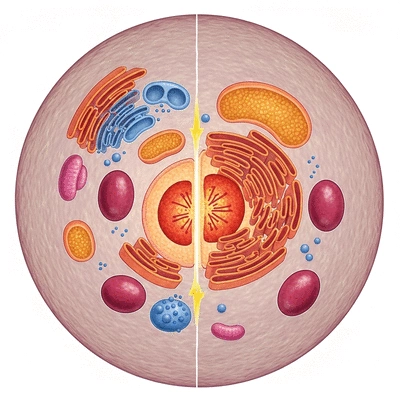
This visual summarizes the interconnected processes of fasting, autophagy, and key hormonal changes that contribute to metabolic health and weight management.
What is Fasting?
Voluntary abstention from food for a specified period, leading to metabolic shifts for hormone regulation and energy efficiency.
Leptin/Ghrelin: Helps regulate hunger and appetite.
Cortisol: Fluctuations, manageable with understanding.
Understanding the Role of Fasting in Hormone Optimization
Fasting is more than just skipping meals; it's a powerful tool for hormone optimization that can have profound effects on your health. At Fasted Intelligence, I believe that understanding the science of fasting is crucial for anyone looking to improve their metabolic health. So, what exactly is fasting, and how does it work?
What is Fasting and How Does it Work?
Fasting refers to the voluntary abstention from food for a specified period. This practice can range from intermittent methods, like the 16/8 protocol, to extended fasts lasting several days. During fasting, your body undergoes a series of metabolic shifts that promote hormone regulation and energy efficiency. It’s like giving your body the chance to reset! For a deeper dive into how this impacts your body's systems, explore how intermittent fasting affects insulin sensitivity.
Insulin Sensitivity: Fasting helps lower insulin levels, improving your body's ability to use fat for energy.
Cellular Repair: During fasting, your body initiates autophagy, a process that removes damaged cells and regenerates new ones.
Hormonal Balance: Fasting stimulates the release of growth hormone, which plays a vital role in metabolism and muscle preservation.
By understanding these processes, you can leverage fasting to enhance your hormonal health. It’s crucial to approach fasting thoughtfully, keeping your individual needs and lifestyle in mind.
The Science Behind Autophagy: Cellular Renewal Explained
Autophagy is a fascinating process that occurs during fasting. It's your body's way of cleaning house—removing old or dysfunctional cells and regenerating new ones. This cellular renewal is essential for maintaining good health and preventing diseases.
Protection Against Disease: Increased autophagy is linked to a lower risk of chronic illnesses, including neurodegenerative diseases.
Enhanced Aging Process: By promoting cellular repair, autophagy can contribute to a healthier aging process.
Incorporating fasting into your routine can support autophagy, ultimately aiding in your journey toward better metabolic health.
The Role of Mitochondrial Function in Fasting
Mitochondria, often dubbed the powerhouses of the cell, play a critical role in how your body responds to fasting. When you fast, your body shifts from using glucose for energy to burning fat. This shift enhances mitochondrial function, leading to improved energy production and metabolic efficiency.
Increased Fat Oxidation: Fasting encourages your body to burn fat, which can lead to weight loss.
Energy Production: Enhanced mitochondrial function means more energy for your daily activities.
Improved Insulin Sensitivity: Better mitochondrial health can improve insulin response, supporting overall metabolic health.
By focusing on mitochondrial health through fasting, you can optimize your energy levels and support your weight loss goals. Remember, every small step counts on your path to better health!
Key Hormonal Changes Induced by Fasting
Now that we understand the fundamentals of fasting and its role in hormone optimization, let’s take a closer look at the key hormonal changes that occur. These changes can significantly impact your weight management and overall health. For a detailed exploration of how specific hormones, like growth hormone, are affected, see our article on intermittent fasting and growth hormone.
Interactive Poll: Your Fasting Journey
As you explore the benefits of fasting, we want to hear from you! What aspect of fasting do you find the most challenging?
Summarizing the Science of Fasting for Hormone Optimization
As we delve deeper into the world of fasting, it's essential to understand how it intricately weaves together the processes of hormone optimization and cellular health. At Fasted Intelligence, I've seen firsthand how intermittent fasting can lead to profound changes in one's metabolic health. The connection between fasting, autophagy, and hormones is not just fascinating; it's a crucial part of why fasting can be such a powerful tool for many.
So, how do these elements come together? Fasting initiates autophagy, a cellular "clean-up" process that removes damaged components, allowing for the regeneration of healthier cells. This process is tightly linked to hormonal changes that promote health and longevity. Understanding these relationships can help you unlock the full potential of your fasting journey!
The Interconnectedness of Fasting, Autophagy, and Hormones
When we fast, several key hormonal shifts occur that facilitate the benefits of autophagy. Here’s a quick breakdown:
Insulin Sensitivity: Fasting lowers insulin levels, which can enhance insulin sensitivity, aiding in better blood sugar control.
Growth Hormone Release: Studies show that fasting can significantly boost growth hormone levels, which supports fat burning and muscle growth.
Leptin and Ghrelin Regulation: Fasting helps balance these hormones, managing hunger and appetite effectively.
Cortisol Fluctuations: While cortisol can increase during fasting, understanding its role can help you manage stress and energy levels better.
Recognizing how these hormonal changes complement the process of autophagy can empower you to make informed decisions about your fasting practices. It's all about creating a harmonious internal environment for optimal health!
Next Steps: Personalizing Your Fasting Strategy for Optimal Results
Personalization is key when it comes to fasting strategies. What works for one person may not work for another. Here are some steps to help tailor your approach:
Assess Your Goals: Determine what you hope to achieve with fasting—weight loss, improved energy, hormonal balance, or all of the above!
Choose Your Protocol: Start with a popular fasting method, like the 16/8 method, and see how your body responds.
Monitor Your Progress: Keep track of how you feel during fasting periods and adjust your approach as necessary.
Stay Educated: Continuously educate yourself on fasting and hormone optimization. Resources like Fasted Intelligence can be invaluable!
By taking these steps, you set yourself up for success in your fasting journey. Remember, it’s all about finding the balance that works for you!
Exploring the Role of Gut Microbiome in Fasting Outcomes
Did you know your gut microbiome plays a significant role in how effective fasting can be? Emerging research shows that the health of your gut can influence not just digestion but also hormonal balance and overall metabolic health. Here’s what I’ve found:
Microbial Diversity: A diverse gut microbiome can enhance your body's response to fasting, improving nutrient absorption and metabolic efficiency.
Short-Chain Fatty Acids (SCFAs): Fasting can increase the production of SCFAs, which support gut health and influence hormone regulation.
Inflammation Reduction: A healthy gut microbiome can lower inflammation levels, further enhancing the benefits of fasting.
As you embark on your fasting journey, consider the impact of your gut health. By nurturing your microbiome, you might amplify the benefits of fasting, leading to more significant hormonal optimization and overall wellness! For more insights, explore fasting's impact on gut health.
Recap of Key Points
Here is a quick recap of the important points discussed in the article:
Understanding Fasting: Fasting is a powerful tool for hormone optimization, promoting metabolic health through various methods such as intermittent fasting.
Benefits of Autophagy: This process cleans up damaged cells, supports cellular renewal, and is linked to lower disease risks.
Mitochondrial Function: Enhances energy production and fat oxidation, improving overall metabolic efficiency during fasting.
Key Hormonal Changes: Fasting boosts insulin sensitivity, increases growth hormone levels, and regulates hunger hormones like leptin and ghrelin.
Personalization is Key: Tailor your fasting strategy to fit your individual goals and lifestyle for optimal results.
Gut Microbiome's Role: A healthy gut can enhance the benefits of fasting, impacting hormonal balance and metabolic health.
Frequently Asked Questions About Fasting & Hormones
Fasting involves voluntarily abstaining from food for specific periods, which triggers metabolic shifts. These shifts lead to improved insulin sensitivity, increased growth hormone release, and better regulation of hunger hormones like leptin and ghrelin, thereby optimizing overall hormone function.
Autophagy is a cellular process initiated during fasting where the body cleans out damaged cells and regenerates new ones. This "cellular cleanup" is crucial for maintaining good health, preventing disease, and contributing to a healthier aging process.
A healthy and diverse gut microbiome can significantly enhance the benefits of fasting. It improves nutrient absorption, increases the production of beneficial short-chain fatty acids (SCFAs), and reduces inflammation, all of which contribute to better hormonal balance and metabolic health during fasting.
Key hormonal changes include a decrease in insulin levels leading to improved sensitivity, a significant boost in growth hormone levels which aids in fat burning and muscle preservation, and better regulation of leptin and ghrelin to manage hunger and appetite. Cortisol levels may fluctuate but are manageable with proper understanding.
Personalizing your fasting strategy involves assessing your individual goals (e.g., weight loss, energy, hormonal balance), choosing a suitable protocol like the 16/8 method, monitoring your body's responses, and continuously educating yourself. Adjustments should be made based on how you feel and your progress.
Jordan Sinclair: Empowering Your Fasting Journey
Jordan Sinclair is a passionate health and wellness advocate dedicated to evidence-based practices in weight management and fasting. With a solid background in nutritional science and health coaching, Jordan excels at translating complex research into clear, actionable insights. Through Fasted Intelligence, he empowers adults on their journey toward sustainable weight loss and improved metabolic health, providing research-backed guidance that cuts through the noise and focuses on what truly works.
Popular Posts
Micronutrients in Regular Fasting
As you embark on your fasting journey, understanding the role of micronutrients can be the key to en
Collagen and Bone Broth Benefits
Many people often overlook the power of bone broth during fasting, but its nutrient-rich profile can
Fasted Intelligence is your evidence-driven authority for sustainable weight loss through fasting and metabolic science. We empower adults with clear, research-backed guidance to optimize health and achieve lasting results.
Start your fasting journey with a 12-hour window, like 7 PM to 7 AM. This gentle introduction helps your body adapt without feeling deprived!
Hydration is key during fasting! Drink plenty of water, black coffee, or unsweetened tea to support metabolic function and reduce hunger.
Focus on nutrient-dense foods during your eating window. Prioritize lean proteins, healthy fats, and fiber-rich vegetables to fuel your body.
Listen to your body. Fasting protocols aren't one-size-fits-all. Adjust your schedule based on how you feel and your individual metabolic response.
Break your fast gently. Opt for easily digestible foods first to avoid overwhelming your digestive system, like a small salad or bone broth.
Incorporate light exercise during your fasting window. Walking or yoga can enhance fat burning and metabolic flexibility without excess strain.
Manage stress effectively. High stress levels can impact hormones like cortisol, which might hinder your fasting progress and metabolic health.
Prioritize quality sleep. Adequate sleep is crucial for hormone regulation and metabolic recovery, making your fasting efforts more effective.
Track your progress beyond just weight. Notice improvements in energy, mental clarity, and digestion as indicators of better metabolic health.
Consider your electrolyte intake, especially during longer fasts. Replenishing sodium, potassium, and magnesium can prevent fatigue.
Educate yourself on the science. Understanding *why* fasting works can strengthen your commitment and help you make informed choices.
Avoid the 'feast-or-famine' mindset. Fasting is about metabolic regulation, not extreme restriction. Balance is key for sustainable results.
Consult with a healthcare professional before starting any new fasting regimen, especially if you have underlying health conditions or are on medication.
Be patient and consistent. Sustainable weight loss and metabolic health improvements take time and dedication. Celebrate small victories!
Include a clear call-to-action in every post. This boosts engagement and guides readers to take the next step towards mastering their fasting journey!